
Views: 0 Author: Site Editor Publish Time: 2026-07-14 Origin: Site


While active ultrasonic and nebulizing devices dominate the market, passive diffusion remains a highly efficient, zero-energy method for continuous ambient scenting. Users frequently experience weak scent throw, rapid oil depletion, or clogged reeds, leading to wasted expensive essential oils and suboptimal environmental fragrancing. Establishing a technical framework for setting up, maintaining, and evaluating an essential oil reed diffuser ensures maximum capillary action, prolonged fragrance lifespan, and cost-effective usage for both individual consumers and commercial spaces. Understanding the mechanics behind passive scent dispersion allows you to optimize every component, from the carrier fluid viscosity to the placement of the vessel itself. By controlling these variables, you achieve a consistent, long-lasting scent profile without relying on electricity or heat.
Defining what constitutes a successful passive diffusion setup requires looking at three core metrics: consistent scent throw, appropriate longevity, and minimal maintenance. Unlike active systems that force fragrance into the air, a reed diffuser relies entirely on natural physics. Success means the fragrance remains noticeable without overwhelming the space, and the liquid depletes at a steady, predictable rate rather than vanishing in a few days or stagnating in the bottle. You want a system that works quietly in the background.
Capillary action is the engine driving this process. Porous materials draw liquid upward against gravity through microscopic channels. As the liquid reaches the exposed sections of the reed, it evaporates into the surrounding air. The molecular weight of the essential oils directly affects travel speed. Lighter top notes, such as citrus and peppermint, travel up the reeds quickly and evaporate fast. Heavier base notes, like sandalwood or vetiver, move slowly and carry a higher risk of clogging the vascular bundles of the reed material if not properly thinned. Understanding this helps you blend oils that travel at similar rates.
When comparing continuous, low-intensity passive diffusion against the intermittent, high-intensity output of an active Essential Oil Diffuser, the conceptual trade-offs become clear. Active devices deliver immediate, potent bursts of fragrance but require power sources and regular cleaning. Passive diffusers provide a subtle, constant background scent. Evaluating the safety and utility of a system requiring no electricity, heat, water, or open flame reveals a zero-hazard profile. This makes passive setups ideal for continuous operation in unattended environments.
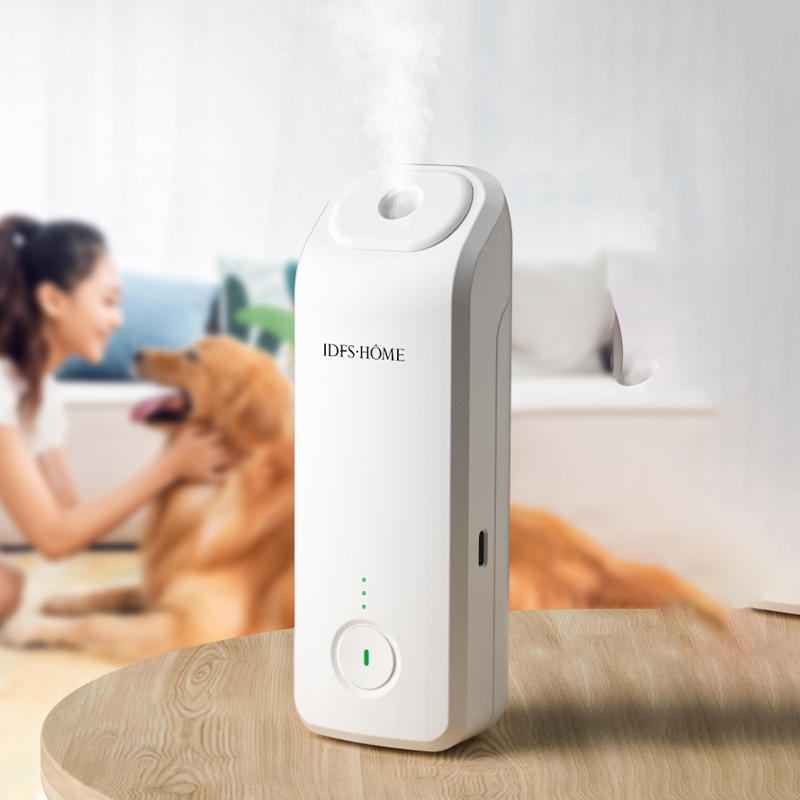
Safely removing factory seals, plastic stoppers, or transit caps from commercial vessels requires care to avoid spilling concentrated contents. Always use protective barriers like paper towels or silicone mats during setup. Concentrated essential oils act as powerful solvents. A single drop can instantly strip varnish from wood furniture, etch natural stone countertops, or permanently stain porous surfaces. Taking a few extra seconds to prep your workspace prevents costly damage.
Establishing a reliable benchmark formula is critical for DIY setups or when refilling existing vessels. A standard starting point is 1/4 cup of a light carrier oil, such as fractionated coconut or sweet almond oil, combined with 15 to 30 drops of pure essential oil. To aid upward wicking, you must thin the viscosity of the carrier base. Adding 1 to 2 tablespoons of perfumer’s alcohol or Dipropylene Glycol (DPG) binds the oils and thins the mixture, allowing it to flow easily through the reeds. Water must be strictly avoided. Essential oils are hydrophobic; mixing them with water results in poor solubility, oil separation, and creates a breeding ground for bacterial and mold growth.
Once the liquid is formulated and the reeds are primed, implementing a systematic flipping routine revives the scent throw. Flipping the reeds weekly or bi-weekly keeps the fragrance active. However, flipping too frequently accelerates evaporation unnecessarily, draining your supply faster than needed. Monitor the scent level in the room and only flip when you notice a significant drop in fragrance output.
The materials you select dictate the efficiency of the capillary action. Rattan reeds are the industry standard. They feature clear, hollow channels known as vascular bundles that provide highly consistent wicking. Fiber reeds, which are synthetic and highly porous, are engineered to offer a stronger, immediate scent throw. The trade-off is that they result in faster oil consumption. Bamboo skewers are a common DIY mistake. Identifying the structural nodes in bamboo reveals that these internal barriers block capillary action, illustrating exactly why they fail as functional diffusers.
| Reed Material | Wicking Efficiency | Scent Throw | Oil Consumption Rate |
|---|---|---|---|
| Rattan | High (Natural Channels) | Moderate & Consistent | Moderate |
| Synthetic Fiber | Very High (Engineered Porosity) | Strong & Immediate | Fast |
| Bamboo | Poor (Blocked Nodes) | Weak to None | Very Slow (Stagnant) |
Evaluating the impact of the vessel’s neck diameter on premature oil evaporation is equally important. Narrow necks restrict top-level evaporation, forcing the fragrance to travel exclusively up the reeds rather than escaping straight out of the bottle. Wide-mouthed jars allow the carrier fluid to evaporate directly into the air, wasting the mixture. Material considerations also play a role. Always choose glass or ceramic vessels. Reactive plastics degrade, warp, or leach chemicals when exposed to high concentrations of essential oils over extended periods.
Positioning diffusers in high-traffic interior pathways leverages natural airflow dynamics. Natural foot traffic generates air movement, catching the evaporating fragrance molecules and dispersing the scent throughout the corridor. Tucking a vessel into a stagnant corner severely limits its reach, regardless of how well the oil is formulated. You want the scent to travel with the air currents in your home or commercial space.
Passive diffusion is the ideal solution for small, enclosed spaces. Bathrooms, areas above toilets, walk-in closets, and entryways represent high-value micro-environments where active electronic diffusers are impractical due to a lack of outlets or space constraints. In these compact zones, the continuous, low-level output prevents the air from feeling stale without overwhelming the confined area. It provides a constant, pleasant greeting every time you open the door.
Preventing rapid dry-out requires avoiding specific environmental factors. Keep vessels away from active HVAC vents, direct sunlight, radiators, and drafty window sills. Heat and excessive forced air accelerate the evaporation of the carrier fluid and the essential oils, drastically reducing the lifespan of your setup and altering the scent profile as lighter notes burn off too quickly. Finding a stable, shaded spot with moderate ambient airflow yields the best results.
Diagnosing weak scent throw often comes down to distinguishing between olfactory fatigue and actual mechanical failure. Olfactory fatigue, or nose blindness, occurs when you become accustomed to a constant smell. Step outside for an hour and return; if you smell the fragrance, the diffuser is working. If not, you may have clogged reeds. Heavy, viscous essential oils like vetiver, patchouli, and sandalwood easily clog rattan channels. Resolve this by replacing the reeds entirely and slightly increasing the alcohol ratio in your next batch.
Controlling scent output dynamically is straightforward: adjust the fragrance intensity by adding or removing individual reeds from the vessel. More reeds equal more surface area for evaporation, resulting in a stronger scent but faster depletion. Fewer reeds offer a subtle background note and extend the life of the oil. Safe handling and elevated placement of concentrated essential oils are mandatory to keep them out of reach of pets and children. Even passive setups pose toxicity risks if ingested or spilled on the skin. Furthermore, understanding VOC (Volatile Organic Compound) compliance is necessary if utilizing alcohol-based carrier fluids in commercial settings, as certain regions heavily regulate the volume of volatile solvents allowed in ambient air care products.
Analyzing the cost-per-use of DIY assembly versus purchasing pre-filled retail units reveals distinct value influencing factors. DIY setups allow for custom scent blending and lower long-term costs, but require upfront investment in bulk carrier oils, raw reeds, and pure essential oils. Retail units offer immediate convenience and calibrated formulas but carry a higher premium per ounce. Your choice depends on your volume requirements and willingness to mix your own batches.
Criteria for evaluating essential oil diffuser wholesale suppliers center on consistency. You must verify the consistency in reed porosity, the purity of bulk essential oils, and ensure leak-proof packaging for transport. Requesting bulk material safety data sheets (MSDS) guarantees compliance and safety standards are met before committing to large orders. Reliable suppliers will provide these documents without hesitation.
Deploying reed diffusers in hospitality, wellness, or retail environments scales easily. Active diffusers present maintenance challenges, noise complaints, or electrical hazards in commercial spaces. Passive systems provide a uniform, silent olfactory experience across multiple rooms, requiring only scheduled liquid top-offs and periodic reed replacements by maintenance staff. This reduces labor hours while maintaining a high-quality ambient environment for guests and clients.
Audit your current diffuser placement to ensure it benefits from natural airflow while avoiding direct heat sources. Adjust your carrier oil formulation by incorporating a thinning agent like perfumer's alcohol to improve capillary action. Replace existing reeds if you are using heavy base notes and notice a sudden drop in fragrance output. Request component samples from wholesale suppliers to test capillary efficiency with your specific essential oil blends before scaling up.
A: Flip the reeds every one to two weeks. This exposes the saturated ends to the air and refreshes the scent throw. Avoid flipping them daily, as this accelerates evaporation and depletes your oil mixture much faster than necessary.
A: No. Essential oils are hydrophobic and will not mix with water. Using water causes the oil to float on top, prevents proper capillary action up the reeds, and creates an environment susceptible to mold and bacterial growth.
A: You may be experiencing olfactory fatigue (nose blindness), or the reeds have become clogged. Heavy essential oils and dust can block the microscopic channels in the reeds. If flipping them does not help, replace the reeds entirely.
A: Start with 5 to 7 reeds for an average-sized room. To increase the fragrance intensity, add more reeds to expand the evaporation surface area. To reduce the scent or slow down oil consumption, remove a few reeds.
A: No. Reeds absorb and hold onto the previous essential oil profile. Mixing a new scent with old reeds will muddy the fragrance and reduce wicking efficiency. Always use fresh reeds when introducing a new oil blend.
A: Fractionated coconut oil and sweet almond oil are excellent choices. They are lightweight, have a thin viscosity, and carry a neutral scent profile that will not overpower or clash with your chosen essential oils.
A: Prioritize suppliers that provide consistent reed porosity, narrow-necked glass or ceramic vessels, and leak-proof packaging. Always request Material Safety Data Sheets (MSDS) to verify the purity of the bulk oils and ensure regulatory compliance.


