
Views: 0 Author: Site Editor Publish Time: 2026-07-11 Origin: Site


While traditional electronic diffusers are the standard for aromatherapy, they require electricity, regular maintenance, and present over-saturation risks in poorly ventilated spaces. Users often need to deploy essential oils in environments where standard diffusers are impractical—such as offices, vehicles, travel settings, or homes with sensitive pets—without sacrificing therapeutic efficacy or scent throw. This guide evaluates the most effective passive, heat-assisted, and topical methods for utilizing essential oils, comparing their scalability, safety, and cost-efficiency against traditional electronic units. We will look at the mechanics of evaporation, material compatibility, and practical deployment strategies for spaces where plugging in a device simply will not work.
Ultrasonic and nebulizing diffusers require frequent cleaning to prevent mold, bacterial growth, and oil residue buildup. When water sits in a reservoir for days, it becomes a breeding ground for pathogens. These pathogens are then aerosolized directly into your breathing space. Regular maintenance demands time, specific cleaning agents like white vinegar or rubbing alcohol, and physical scrubbing of delicate ceramic disks. Many users find this tedious. If you skip the cleaning cycle, the device clogs. The ultrasonic plate fails. You end up replacing the unit entirely.
Environmental constraints also push people toward an essential oil diffuser alternative. You might lack accessible power outlets in a bathroom, hallway, or older home. Travel restrictions make packing bulky electronics difficult, especially with varying international voltage standards. Furthermore, many office policies strictly prohibit aerosolized particles. Shared ventilation systems distribute scents across cubicles, triggering coworker sensitivities or allergies. You need a localized solution that stays at your desk.
Pet and child safety remains a massive concern. Active diffusers quickly over-concentrate a room with volatile organic compounds (VOCs). Certain oils, like tea tree, eucalyptus, and peppermint, are highly toxic to cats and dogs when inhaled in large quantities. Their livers lack the specific enzyme needed to break down these compounds. Passive methods allow for tighter control over exposure. You keep the scent radius small. The animal can easily leave the area if the smell becomes overwhelming.
An effective alternative must provide consistent evaporation. It must utilize safe carrier materials. It needs to match the intended scent throw without degrading the oil's chemical profile. Whether you need a personal scent bubble or a way to freshen a small closet, matching the method to the environment ensures optimal results. You have to understand the evaporation rates of different oils. Top notes flash off quickly. Base notes linger. Your chosen method must accommodate these physical properties.
| Method Type | Scent Throw Radius | Maintenance Level | Best Use Case |
|---|---|---|---|
| Active Ultrasonic | 150 - 300 sq ft | High (Weekly cleaning) | Large living rooms, open concept spaces |
| Passive Reed | 10 - 20 sq ft | Low (Flip reeds weekly) | Bathrooms, entryways, small offices |
| Direct Inhalation | Personal (1-2 ft) | Zero | Acute focus, nausea, shared workspaces |
| Heat-Assisted | 50 - 100 sq ft | Medium (Monitor water levels) | Kitchens, whole-home seasonal scenting |
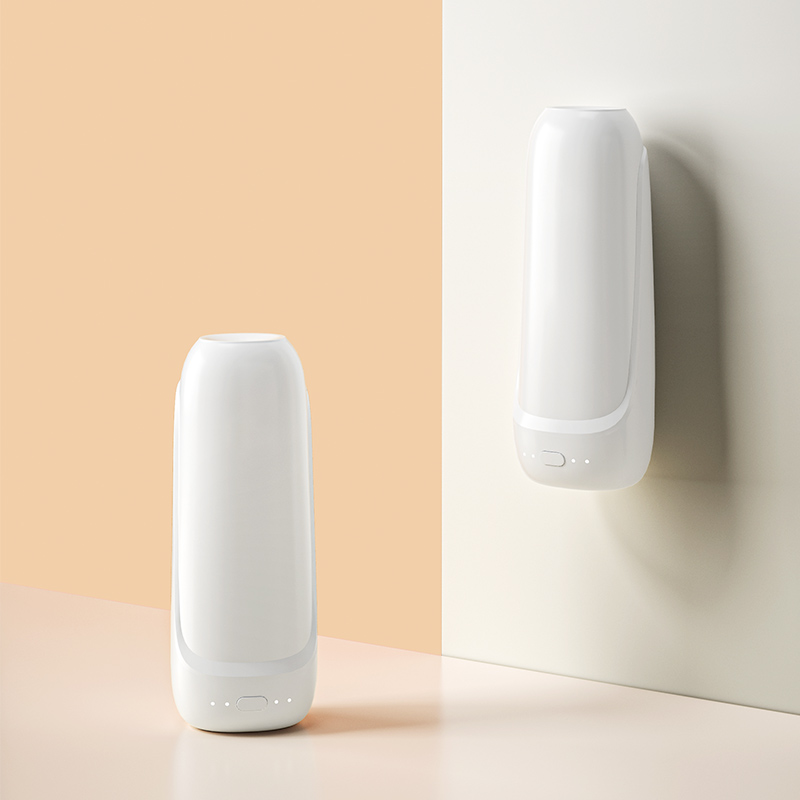
Direct nasal exposure to volatilized aromatic molecules escaping the bottle opening is the fastest zero-equipment option available. You eliminate risks of skin contact entirely. There are no dilution errors to worry about. You simply open the container and breathe. This method relies on the natural volatility of the essential oil. As soon as the cap comes off, the lighter molecules escape into the air.
To execute this properly, remove the cap and hold the bottle two to three inches below your nose. Do not touch the rim to your skin. Take deep, controlled breaths for one to two minutes. This method does not disperse scent into the ambient environment. It is highly respectful of shared spaces. You can do this on an airplane, in a crowded office, or on public transit without bothering anyone around you.
This approach utilizes your own body heat to gently volatilize the oil for immediate respiratory access. It provides high efficacy for acute needs. If you are managing sudden nausea or need a quick focus boost during a busy workday, this works instantly. The heat from your hands acts as a micro-heater, accelerating the evaporation of the oil molecules directly into your nasal passages.
Dilute one drop of essential oil with a carrier oil like jojoba or fractionated coconut oil. Never use undiluted "hot" oils like cinnamon or oregano on your skin. Rub your palms together to generate friction and heat. Cup them over your nose and mouth, close your eyes, and inhale deeply. This offers zero scalability for room scenting. It is strictly for personal application and washes off easily with soap and water.
Relying on capillary action and passive air circulation, this method is extremely low cost and highly portable. You apply two to three drops to a cotton or fabric substrate. Place it inside a pillowcase, on a desk, or wedged into a vehicle air vent. The porous nature of the cotton traps the oil, while ambient air flowing over the surface pulls the scent molecules into the room.
The primary drawback is duration. Scent longevity is short. It typically lasts only one to two hours due to rapid, uncontrolled evaporation. It works best for temporary situations. If you need a quick burst of lavender to fall asleep, a tissue inside the pillowcase works perfectly. By morning, the scent is gone, and you simply throw the tissue away.
These devices provide concentrated passive inhalation using a housed cotton wick. They are best for preserving oil longevity. A well-made inhaler lasts weeks or even months before needing a refill. They pose zero risk of environmental contamination or pet exposure. The plastic or aluminum housing protects the oil from UV degradation and oxidation.
Capillary action draws a mixture of essential oil and a base liquid up rattan or bamboo reeds, dispersing scent into the air. A reed diffuser serves as an excellent continuous alternative for small rooms like bathrooms and entryways. The reeds contain dozens of microscopic channels. As the liquid evaporates at the top of the reed, it pulls more liquid up from the bottom, creating a continuous cycle of scent dispersion.
Mix twenty to thirty drops of essential oil with a carrier base in a narrow-necked glass bottle. Sweet almond oil, safflower oil, or perfumer's alcohol work well. Insert the reeds and flip them weekly to maintain steady scent dispersion. You must maintain specific viscosity ratios. If the carrier oil is too thick, it will not travel up the reeds. If it is too thin, it evaporates too quickly. Adding a splash of high-proof vodka to a carrier oil helps thin the mixture and accelerates the wicking process.
Highly porous natural materials like terracotta and lava rock absorb volatile oils and release them slowly when warmed by your body temperature. This provides outstanding personal-zone portability. The microscopic pits and craters in lava stone act as tiny reservoirs. They hold the oil securely while allowing air to pass over the surface, slowly lifting the scent throughout the day.
Apply one or two drops directly to a diffuser necklace, bracelet, or pendant. Allow the oil to absorb fully before wearing the item. This prevents direct skin contact with undiluted oil, which can cause sensitization over time. This keeps the aroma confined to your personal space. It is perfect for office environments where heavy perfumes are banned. You get the therapeutic benefit without forcing the scent on your coworkers.
Porous raw wood and clay absorb the oil and release it slowly over time via ambient airflow. These materials are highly durable and reusable. They offer a rustic aesthetic alongside functional scenting. Cedar, pine, and balsa wood are particularly effective due to their low density and high porosity. Terracotta clay, baked at low temperatures, retains a sponge-like structure that holds oils beautifully.
Apply drops directly to unfinished wooden clothespins, cedar blocks, or terracotta trays. Place them on windowsills, near HVAC vents, or inside clothing drawers. The scent throw is strictly localized. Be aware that high-pigment oils, like blue tansy, sweet orange, or dark patchouli, will permanently stain the material surfaces. Dedicate specific blocks to specific scent profiles to avoid muddying the aromas over time.
Sodium bicarbonate absorbs ambient odors while simultaneously acting as a carrier for essential oil evaporation. This dual-action performance makes it ideal for closets, refrigerators, or near trash cans. The alkaline nature of baking soda neutralizes acidic odor molecules in the air. Meanwhile, the powder provides a massive surface area for the essential oil to evaporate from.
Fill a small glass jar halfway with baking soda. Add fifteen to twenty drops of oil. Stir the mixture with a metal spoon to break up any clumps. Cover the top with a breathable fabric, like muslin or cheesecloth, secured by a rubber band or metal ring. You will need to shake the jar occasionally to agitate the powder. This brings fresh oil to the surface and reactivates the scent release. Replace the baking soda entirely every month.
High-temperature steam carries volatile oil molecules into the air rapidly. This method delivers high intensity but has a short duration. It is excellent for targeted respiratory support when dealing with seasonal congestion. The steam hydrates the nasal passages while the essential oils provide a cooling or clearing sensation.
Add two to three drops of oil to a bowl of steaming, but not boiling, water. Boiling water destroys the delicate chemical constituents of the oil. Lean over the bowl with a towel draped over your head to trap the steam. Keep your eyes closed to prevent irritation. Alternatively, leave the bowl in a room for ambient scenting. As the water cools, the scent dispersion will stop completely.
Continuous low heat facilitates steady evaporation and broader spatial distribution. This is excellent for whole-home scenting, especially during colder months when you want to add humidity back into the dry indoor air. The combination of raw botanicals and concentrated oils creates a complex, layered aroma that mimics high-end commercial fragrances.
Combine water, whole spices like cinnamon sticks and star anise, fresh citrus peels, and five to ten drops of essential oil in a heavy-bottomed pot. Simmer on the lowest possible burner setting. The primary risk here requires constant monitoring. You must ensure the pot does not boil dry. If the water evaporates completely, the botanicals and oils will scorch, creating a severe fire hazard and ruining your cookware.
Ambient bathroom steam dispersion turns your daily routine into a therapeutic experience. This is highly effective but limited entirely to the bathroom environment. The heat from the water vaporizes the oil, filling the enclosed space with scent rapidly.
For a shower, place three to five drops on the shower floor away from the direct water stream. If you place it directly under the spray, it washes down the drain in seconds. For a bath, never add undiluted oils directly to the water. Essential oils are hydrophobic. They will float on the surface, adhere to your skin, and cause chemical burns. Always mix them with a carrier oil, heavy cream, or unscented liquid castile soap first to emulsify the oil into the water safely.
Mechanical aerosolization and fine particle suspension provide immediate, broad room coverage. This is a fast way to refresh linens, furniture, or stagnant room air. You control exactly when and where the scent goes. It is highly effective for neutralizing bathroom odors or freshening up a guest room right before company arrives.
Combine distilled water, a solubilizer, and essential oils in a glass spray bottle. You must use glass, as essential oils will degrade and eat through cheap plastic bottles over time. The main limitation is that water and oil do not mix naturally. Without a proper solubilizer like Polysorbate 20 or high-proof grain alcohol, the oil floats at the top. You end up spraying pure water, followed by a concentrated blast of oil that stains fabrics and leaves greasy spots on hard floors.
Heat and mechanical tumbling help distribute scent into your clothing. This replaces synthetic fabric softeners that coat fibers in unwanted waxy residue. Wool dryer balls agitate the clothing, reducing drying time, while acting as a porous carrier for the essential oils.
Add three to four drops of oil to wool dryer balls. Wait ten minutes for the oil to absorb into the core of the wool. Toss them in before the final ten minutes of a low-heat drying cycle. High heat causes flash-off, where the oil evaporates completely before scenting the clothes. There is also a theoretical fire risk if you use highly flammable oils on high heat settings. Stick to low or no-heat tumble cycles for the scenting phase.
Forced HVAC air circulation disperses scent throughout the entire zone of your home rapidly. It leverages your existing ductwork infrastructure for whole-house coverage. When the blower motor kicks on, it pulls air through the filter, stripping the scent molecules and pushing them out of every supply register in the house.
Apply ten to fifteen drops of oil directly to the cardboard frame of a new home air filter before installation. Do not drop the oil directly onto the pleated synthetic media. Certain caustic oils can melt or degrade the synthetic fibers of high-MERV filters over time, reducing their filtration efficiency and allowing dust to bypass the filter. While effective, the scent typically dissipates within 24 to 48 hours due to the massive volume of air moving across the surface.
When comparing features to outcomes, scent throw and scalability are the primary differentiators. A traditional Essential Oil Diffuser actively pushes micro-particles into the air. It uses a vibrating ceramic disk to break the oil and water into a fine mist, covering large square footage effortlessly. Passive alternatives rely entirely on ambient airflow. They lack the mechanical force needed to push scent across a room, severely limiting their effective radius to a few feet.
Cost efficiency and oil consumption must also be weighed carefully. While a cotton ball or terracotta tile costs pennies upfront, achieving a room-filling scent passively requires significantly more oil than an ultrasonic unit. You will burn through your oil inventory much faster. A passive reed setup might require thirty drops of oil to scent a bathroom for a week. An ultrasonic unit might use five drops to scent a living room for an evening. You have to calculate the replacement cost of the consumables.
For commercial and wholesale considerations, the math changes drastically. Spas, hotels, or wellness practitioners evaluating procurement often find that buying an essential oil diffuser wholesale is more cost-effective for large spaces. Attempting to scale passive methods requires high manual maintenance. Deploying dozens of reed jars across a hotel lobby means staff must constantly monitor, flip reeds, and refill bottles. An electronic unit tied to the HVAC system or a large standalone nebulizer requires filling once a month.
Ultimately, the conceptual trade-off comes down to precision versus convenience. Electronic diffusers offer timers, output control, and consistent dispersion. You can set them to run for thirty minutes and shut off automatically. Alternatives offer zero-power convenience and localized application. They never break down, they never need descaling, and they operate silently. However, they lack any real output regulation. Once the oil is exposed to the air, it evaporates at its own natural rate until it is gone.
Transitioning away from electronic units requires a shift in how you handle and deploy your oils. By matching the correct passive or heat-assisted method to your specific environment, you can achieve excellent aromatic results without relying on power outlets or complex machinery.
A: No, unless the humidifier is specifically designed to handle essential oils. Standard humidifiers use plastic components that degrade, crack, or melt when exposed to concentrated essential oils. This leads to water leaks, ruined furniture, and complete device failure. Always check the manufacturer's manual before adding anything other than distilled water to a humidifier tank.
A: Scent duration on a cotton ball is typically very short, lasting anywhere from one to three hours depending on the volatility of the oil used. Top notes like lemon and sweet orange evaporate much faster than heavy base notes like patchouli or vetiver. The ambient temperature and airflow in the room also heavily impact the evaporation rate.
A: Yes, passive methods are generally safer because they release a lower concentration of volatile organic compounds into the air. They also restrict the scent to a smaller radius. This allows pets to easily leave the area if the smell bothers them. However, you must still ensure the physical oil source is kept completely out of reach of animals.
A: You do not need to use a carrier oil for a simmer pot. The essential oils are dropped directly into the water alongside other raw botanicals. The heat facilitates evaporation. You must ensure the pot never boils dry, as the remaining oil and plant matter will scorch and create a severe fire hazard in your kitchen.
A: Yes, applying concentrated essential oils directly to certain synthetic HVAC filters can degrade the fibers over time. This reduces the MERV rating and allows dust to pass through. It is best to use this method sparingly or apply the oils directly to the rigid cardboard frame rather than the delicate pleated filter media.


