
Views: 0 Author: Site Editor Publish Time: 2026-06-30 Origin: Site


Many facility managers and hospitality operators view ambient scent as a mere aesthetic choice. They rarely see it as a strategic business tool. You might assume a pleasant lobby fragrance simply masks odors. However, olfactory marketing actually acts as a measurable driver of customer behavior.
Unfortunately, a massive gap exists between consumer-grade air fresheners and true enterprise-grade infrastructure. Relying on basic plug-ins in a massive retail space leads to patchy coverage. It also creates a frustrating maintenance burden for your staff.
We will guide you through a straightforward evaluation of professional ambient scenting. You will learn how modern systems seamlessly integrate into daily operations. We will also explore the experiential benefits these solutions provide to your bottom line.
Residential units create a small "scent bubble." They typically only cover a few feet. Commercial environments demand uniform dispersion across thousands of square feet. You cannot rely on household devices for a 5,000-square-foot retail store. The fragrance simply drops to the floor. It fails to circulate properly. Patrons experience a sudden blast of perfume near the doorway. They then smell absolutely nothing in the main shopping aisles. This inconsistent coverage creates a jarring experience. It breaks the immersive environment you want to build.
Next, consider the severe maintenance burden. Hidden labor costs add up quickly. Staff must manually refill water tanks constantly. They have to replace batteries weekly. They frequently manage temporary aerosol cans daily. Your employees should focus entirely on customer service. They should never spend valuable time maintaining basic equipment. A typical standalone water diffuser runs dry in just a few hours. If nobody notices, the system sits empty. You lose the atmospheric benefit entirely.
Brand risk also plays a crucial role in this evaluation. Synthetic, overpowering aerosols ruin brand perception quickly. Customers immediately recognize these "restroom-grade" smells. Cheap fragrances break customer trust. They make a high-end luxury space feel cheap. We recommend avoiding synthetic aerosols entirely in customer-facing zones. Below are a few common mistakes businesses make when attempting to cut corners:
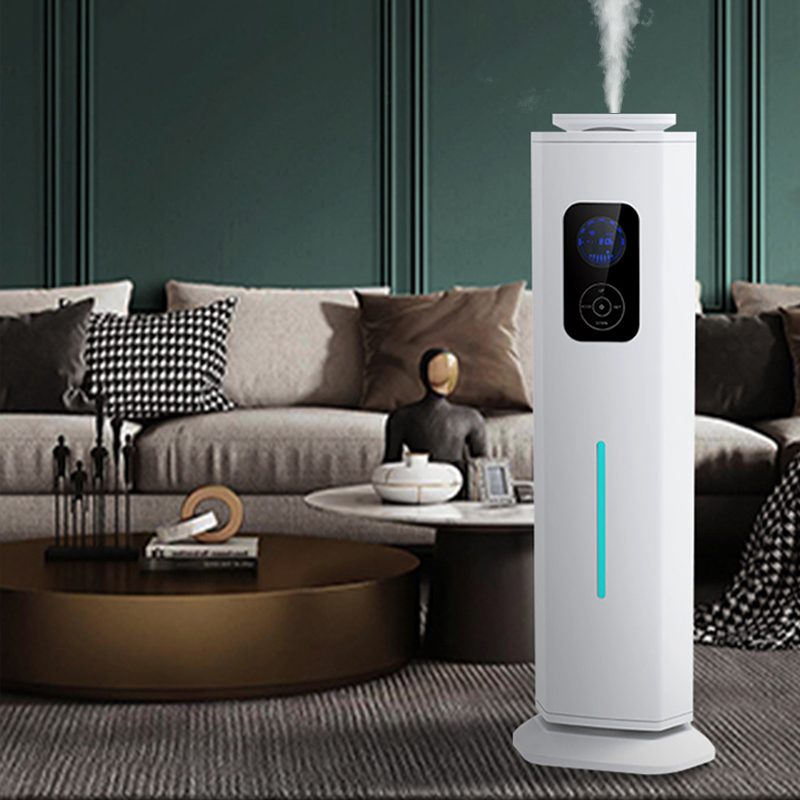
A high-quality commercial scent diffuser machine drives tangible financial results. Increased dwell time represents a primary benefit. Ambient scent naturally promotes customer relaxation. Shoppers linger longer in retail environments. Guests relax more in hospitality lounges. Behavioral logic shows people spend more time anywhere they feel comfortable. Longer visits often translate directly into higher sales volumes.
Premium fragrances also elevate perceived value significantly. Well-dispersed scents allow businesses to position services at higher price points. Industry experts call this the "luxury hotel" effect. When your lobby smells like a five-star resort, guests automatically expect premium service. They willingly pay premium rates. A sophisticated white tea or sandalwood profile signals cleanliness and exclusivity. Visitors unconsciously associate the pleasant smell directly to your brand quality.
Olfactory brand recall serves as a highly effective marketing tool. Scent marketing acts as a standardized brand asset. You can deploy it across multi-location franchises globally. This consistency creates instant environmental recognition. A customer walks into your Chicago branch. It smells exactly like your New York branch. They feel an immediate sense of comforting familiarity. Our senses closely link smell to memory. A signature scent triggers positive memories instantly upon arrival.
| Business Metric | Before Ambient Scenting | After Professional Scenting |
|---|---|---|
| Customer Dwell Time | Average or rushed visits | Extended browsing and relaxation |
| Brand Recall | Visual reliance only | Multi-sensory memory activation |
| Perceived Value | Standard pricing expectations | Premium or luxury associations |
Connecting directly to the central air system provides massive HVAC scenting efficiencies. You achieve uniform dispersion effortlessly across entire buildings. The hardware remains completely hidden from public view. It utilizes your existing airflow to maximize reach. This approach effectively blankets every single corner of your facility. You no longer worry about dead zones. The central fan pushes the aroma evenly through existing ductwork.
Cold-air diffusion technology sets modern systems apart from older models. Sub-micron nanoparticle atomization is a truly critical benefit. The machine breaks down fragrance oil into a completely dry mist. It leaves absolutely no oily residue on floors. It protects your valuable inventory. It also maintains fragrance integrity continuously without heat alteration. Heat destroys delicate scent notes. Cold-air systems preserve the original fragrance profile perfectly from start to finish.
Automated environmental control makes fleet management incredibly simple. You can utilize smart programmable features easily. Set intensity scaling dynamically by peak hours. Implement weekend shut-offs to conserve expensive fragrance oils. You can even manage a remote fleet of machines via cloud apps. This proves invaluable for businesses operating multiple sites across different states. Facility managers can monitor oil levels remotely. They can adjust scheduling without visiting the physical location.
| Feature | HVAC Integrated Scenting | Standalone Devices |
|---|---|---|
| Coverage Area | 5,000 to 10,000+ sq. ft. | 200 to 1,500 sq. ft. |
| Visibility | Hidden in utility rooms | Visible on floors or walls |
| Maintenance Frequency | Every 30 to 90 days | Daily or weekly refills |
Safety always stands as a primary operational benefit. Professional machines use highly regulated chemical formulations. They strictly follow International Fragrance Association (IFRA) guidelines. They also adhere to Volatile Organic Compound (VOC) regulations. This strict compliance protects building occupants against common allergens. It prevents indoor air quality (IAQ) degradation. You must always prioritize occupant health over pleasant smells. Always ask your vendor for documented IFRA certification.
You must also protect your physical assets carefully. Waterless, heatless diffusion prevents dangerous mold growth. Moisture inside HVAC ductwork causes severe structural damage. A professional system introduces zero moisture into the air. It protects sensitive electronics and delicate inventory. You never have to worry about dampness ruining expensive retail merchandise. IT servers remain completely safe from humidity spikes.
Physical security matters just as much as air quality. Enterprise units offer robust spill and tamper resistance. You can mount them securely on walls. You can lock the access panels tight. Tabletop devices tip over easily. Curious hands can open them. A locked, wall-mounted scent diffuser eliminates these operational risks entirely. Staff cannot accidentally spill concentrated oils on carpets. Customers cannot alter the machine settings unauthorized.
You need clear space evaluation criteria before purchasing equipment. Match the machine capacity directly to your exact square footage. Consider your ceiling height carefully during this process. High ceilings require much stronger output to fill the cubic volume. Map out natural airflow paths throughout your building. Place units strategically where air circulates naturally. Keep devices away from powerful exhaust vents. Exhaust fans will pull the fragrance outside immediately.
Run a controlled pilot program first to ensure success. Test the system in a single controlled zone. Gather honest feedback from employees and regular customers. Adjust the intensity settings carefully during this trial phase. Observe how the scent behaves during different weather conditions. Humidity and temperature changes affect scent dispersion slightly. Once you perfect the formula, finalize your custom signature scent. Deploy it confidently across your entire real estate portfolio.
Follow these structured steps for a successful rollout:
A commercial scent diffuser machine represents a serious infrastructure upgrade. It is not just a temporary cosmetic addition to your lobby. Treating it as a core building system yields maximum results. This hardware enhances your environment professionally and safely.
The upfront investment balances beautifully against long-term brand equity. You also gain significant labor savings. Eliminating daily manual refills frees your staff for important tasks. Premium scents elevate your entire customer experience effortlessly.
Take action today to transform your commercial space. Request a comprehensive site audit from a qualified technician. Order sample fragrances tailored to your specific brand identity. Consult a professional HVAC integration specialist regarding your specific ductwork layout.
A: No, provided it uses cold-air diffusion/nanoparticle technology, which leaves no residue or moisture. The system atomizes the oil into a completely dry mist. This micro-fine mist passes harmlessly through filters and ductwork. It never accumulates on internal metal surfaces.
A: Depending on the reservoir size and operational hours, typically once every 30 to 90 days, often handled by a service provider. The automated programming ensures the machine only runs during business hours. This intelligent scheduling conserves oil significantly.
A: Single units are generally rated by cubic footage; multi-story or compartmentalized buildings require strategic placement of multiple units or multi-zone HVAC integration. Connecting a high-capacity unit directly to the main air handler often covers several interconnected floors efficiently.
A: Yes, but strictly require IFRA-compliant, hypoallergenic formulations positioned carefully away from direct food prep zones. Reputable providers supply safety data sheets for every fragrance. You should always select subtle, appetizing notes for dining areas to avoid clashing with food aromas.


