
Views: 0 Author: Site Editor Publish Time: 2026-08-10 Origin: Site


Desktop environments directly impact daily productivity, mental focus, and physical comfort. Whether you operate from a home office, a hybrid co-working space, or a corporate cubicle, managing localized stress and air quality is a constant operational challenge. You need a reliable method to improve your immediate workspace without introducing fire hazards or occupying valuable desk real estate with bulky appliances. Targeted aromatherapy offers a highly practical solution. By integrating a usb essential oil diffuser into your setup, you deploy a low-footprint device designed specifically for localized impact. This guide evaluates the functional benefits, technical variations, and workspace safety considerations necessary to optimize your desk environment.
Desk space is heavily contested territory. A standard office desk measures roughly 48 by 24 inches. Once you account for dual 27-inch monitors, a mechanical keyboard, a mousepad, an audio interface, and a coffee cup, physical space depletes rapidly. Traditional AC-powered room diffusers are engineered with large 300ml to 500ml water reservoirs. These units often require a substantial footprint of six to eight inches in diameter, which clutters a streamlined workspace and interferes with cable routing.
A mini diffuser solves this spatial conflict through vertical, compact engineering. These units typically measure just two to three inches in diameter. This narrow profile allows them to sit unobtrusively next to a monitor stand, behind a laptop screen, or tucked beside a desktop speaker. By optimizing the physical footprint, you gain the atmospheric benefits of aromatherapy without sacrificing functional workspace or restricting mouse movement.
Relying on standard 120V wall outlets limits where traditional devices can sit. You often end up stretching power cables across the desk surface, creating unsightly clutter and potential snag hazards. USB-powered devices bypass this limitation entirely by tapping directly into the existing power infrastructure of a modern workstation. You can draw power from monitor-integrated USB hubs, standalone desktop chargers, under-desk cable management trays, or portable power banks.
This universal power standard introduces true portability. Hybrid workers can unplug the device from their home office, slip it into a laptop bag, and deploy it at a corporate hot-desk. Frequent travelers can plug it into a hotel room lamp with a USB port. Commuters can even place the cylindrical unit into a vehicle cup holder and power it via the car's dashboard USB slot.
Desktop diffusion requires a different approach than whole-home aromatherapy. You do not want to saturate a 500-square-foot room. The objective is to create a localized scent bubble covering approximately 10 to 30 square feet. USB models are calibrated specifically for this micro-environment. They output a controlled, lower volume of mist or atomized oil. This ensures the aroma remains concentrated strictly in your immediate breathing zone.
This targeted approach prevents olfactory fatigue, where your nose becomes blind to the scent after prolonged exposure. More importantly, it ensures that the scent does not aggressively drift into adjacent workstations. Managing scent throw is a primary consideration for maintaining professional boundaries in shared office environments with high-velocity HVAC systems.
The visual cohesiveness of a workspace directly impacts psychological comfort. Modern desktop diffusers are designed with high-end aesthetics, moving far away from the clinical, medical look of older humidifiers. Manufacturers utilize materials and finishes that match contemporary desk setups. You can find matte black finishes that blend with gaming peripherals, brushed aluminum textures that match Apple ecosystems, and natural wood grain wraps that complement Scandinavian-inspired minimalist desks.
Many units also incorporate subtle LED lighting. While aggressive RGB lighting might distract during deep work, a soft, warm white or amber glow can serve as a visual anchor. Integrating a device that matches the visual language of your desk turns a purely functional workstation into a personalized environment.
Sustained attention during deep work sessions is difficult to maintain. Olfactory stimulation offers a direct pathway to the brain's limbic system, actively influencing cognitive states. Specific essential oil profiles contain chemical compounds documented to support mental clarity and alertness.
For example, peppermint oil contains high levels of menthol, which acts as a mild stimulant to combat mid-afternoon fatigue. Rosemary oil contains 1,8-cineole, a compound linked to improved memory retention and cognitive speed. Continuous, low-level diffusion of these specific profiles creates an environment that actively supports sustained motivation during complex, analytical tasks like coding, writing, or data analysis.
High-pressure tasks, tight deadlines, and back-to-back virtual meetings elevate cortisol levels. A desktop diffuser serves as an active stress-management tool right at your fingertips. Diffusing calming botanical extracts triggers parasympathetic nervous system responses. Lavender is rich in linalool, a compound known to lower heart rates and reduce anxiety. Bergamot offers a citrus profile that uplifts mood without acting as a heavy stimulant.
Having these scents available on demand helps you relax and manage localized stress without needing to step away from the desk. The subtle presence of a grounding scent acts as a psychological reset button during chaotic workdays.
Commercial office buildings and insulated home offices often suffer from stagnant air. While a small diffuser cannot replace a dedicated HEPA air purifier for removing particulate matter, it significantly neutralizes stale odors and improves the subjective feeling of air quality. Oils like eucalyptus, tea tree, and sweet orange possess natural clarifying properties.
Dispersing these oils helps create a fresher breathing environment. Eucalyptus contains compounds that open nasal passages, providing respiratory comfort in stuffy, dry, or heavily air-conditioned spaces. This is particularly useful during winter months when windows remain closed and indoor air becomes trapped and stale.
Traditional methods of scenting a room, such as scented candles or wax warmers, pose severe risks in a desktop environment. Open flames are universally prohibited by corporate fire codes. They present a severe hazard around loose paperwork, cardboard boxes, and sensitive electronics. Burning candles also releases soot and volatile organic compounds (VOCs) that coat monitor screens and degrade indoor air quality.
USB diffusers eliminate these risks entirely. They operate without heat or flames, offering a completely safe, code-compliant method for introducing fragrance into any commercial or residential workspace. You get the atmospheric benefit without the fire hazard or the soot buildup on your expensive hardware.
Climate-controlled office buildings are notoriously dry. Central heating systems strip moisture from the air, often dropping indoor humidity levels below 30%. This lack of humidity leads to dry eyes, irritated sinuses, and static electricity buildup. Static discharge is a silent killer of exposed PC components and audio gear.
Ultrasonic diffusers provide a secondary benefit of micro-humidification. By breaking down water into a fine mist, they add trace amounts of moisture directly into your breathing zone. This localized humidity alleviates the physical discomforts associated with arid indoor climates and slightly reduces the risk of static shocks at the desk.
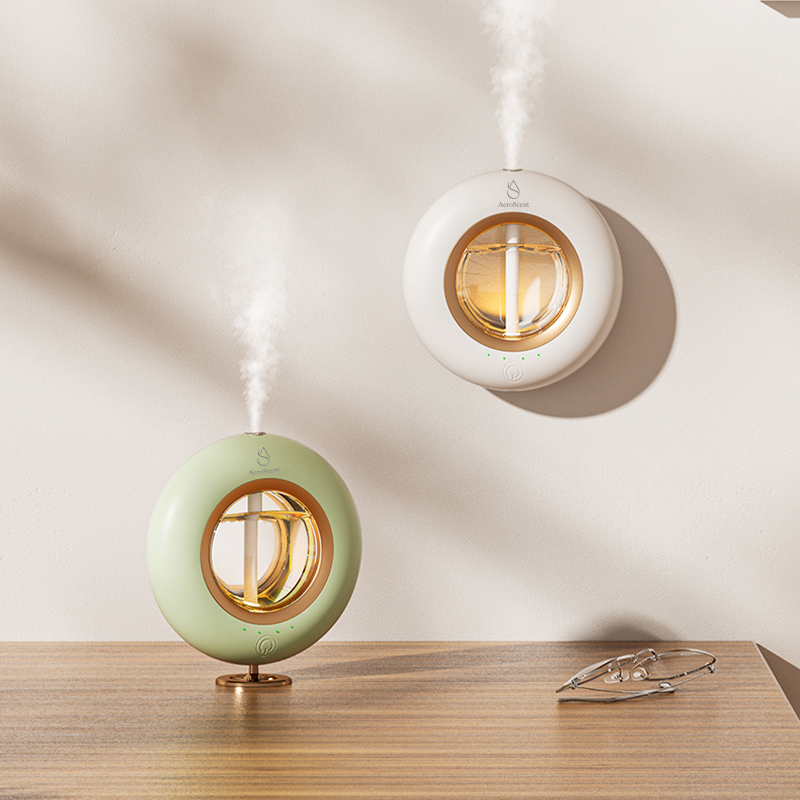
Selecting the correct hardware requires understanding the underlying technology. Different diffusion methods yield entirely different results regarding moisture output, scent intensity, and maintenance requirements. Below is a detailed breakdown of the three primary types of USB-powered devices available for desktop use.
| Diffuser Technology | Operating Mechanism | Primary Advantages | Notable Drawbacks |
|---|---|---|---|
| Ultrasonic | High-frequency piezoelectric disc vibrates to break water and oil into a fine, cool mist. | Provides micro-humidification; operates quietly (<30dB); visually appealing vapor output. | Requires daily water refills; introduces moisture near electronics; demands frequent cleaning to stop mold. |
| Nebulizing (Waterless) | Pressurized air pump uses Bernoulli's principle to atomize pure essential oil directly from the bottle. | Zero moisture added (safest for tech); delivers the strongest scent profile; no water reservoir to clean. | Consumes essential oil rapidly; air pump generates a slight mechanical hum; higher initial purchase price. |
| Heat/Evaporative | Gentle heat element or micro-fan blows ambient air across an oil-soaked absorbent pad. | Lowest maintenance burden; zero moisture output; highly travel-friendly and completely spill-proof. | Scent degrades unevenly as lighter compounds evaporate first; requires frequent pad replacements. |
Ultrasonic models dominate the desktop market. They utilize a small ceramic piezoelectric disc located at the bottom of the water reservoir. When powered, this disc vibrates at ultrasonic frequencies—typically around 2.4 MHz. This rapid vibration agitates the water and essential oil mixture until it breaks into microscopic droplets, which are then blown out of the top nozzle by a small internal fan.
This method is highly effective for users who want the dual benefit of aromatherapy and slight humidification. The mist is cool to the touch, making it safe to operate continuously. However, the reliance on a water reservoir means you must be diligent about maintenance. Stagnant water left in the tank over a weekend will breed bacteria, which the device will then atomize directly into your face on Monday morning.
For hardware purists and tech enthusiasts, nebulizing models represent the premium tier of a USB aroma diffuser. These units do not use water. Instead, they feature a small internal air pump that forces pressurized air through a tiny tube connected to the essential oil bottle. Using fluid dynamics, this pressure difference pulls the oil up and atomizes it into airborne particles.
This results in a highly potent, undiluted aroma. The complete lack of water vapor makes nebulizers the absolute safest option to place near expensive computer hardware, as there is zero risk of localized condensation on your motherboard or GPU. The trade-off is efficiency. Nebulizers consume pure oil at a significantly higher rate than ultrasonic models. Additionally, the internal air pump produces a rhythmic mechanical humming sound during the pressurization cycle, which may distract users in dead-silent rooms.
Evaporative models prioritize rugged simplicity. By applying low-level heat or utilizing a micro-fan to push air through an oil-saturated pad, these devices release scent without atomizing any liquids. You simply drop five to ten drops of oil onto the reusable pad, insert it into the device, and turn it on.
They are the ideal choice for professionals who frequently commute. There is no liquid reservoir to spill inside a laptop bag, and no glass bottles to break. While the scent profile is not as robust or long-lasting as nebulizers, the zero-maintenance, spill-proof design makes them highly practical for mobile workstations and temporary desk setups.
The intersection of atomized liquids and sensitive electronics requires strict management. A critical technical concern is the risk of moisture and atomized oil particles being actively pulled into PC case fans or laptop intake vents. High-performance desktop computers often utilize negative pressure cooling setups. This means the exhaust fans push out more air than the intake fans pull in, causing the chassis to actively suck in ambient air from every crack and seam.
If an ultrasonic diffuser sits too close to a PC intake, the front fans will pull the oil-laden mist directly into the chassis. Over time, this microscopic oil residue coats motherboards, graphics card backplates, and CPU cooling fins. Dust then adheres to this sticky oil layer, creating a thick, insulating sludge. You cannot easily remove this sludge with standard compressed air. It requires manual cleaning with isopropyl alcohol. Left unchecked, this buildup leads to severe thermal throttling, overheating, and premature hardware failure.
To mitigate hardware degradation, you must follow strict placement protocols. Never place an ultrasonic or nebulizing diffuser directly next to a computer tower or directly behind a laptop's cooling vents. Establish a minimum safe distance of 24 to 36 inches away from any active intake fans.
Observe the directional airflow of the mist. Ensure the mist nozzle points toward an open room or directly at your seating position. Completely avoid pointing the output toward monitors, mechanical keyboards, and exposed external hard drives. If your desk space is too constrained to allow for a two-foot buffer zone, a waterless evaporative model is the only safe choice to prevent hardware damage.
While USB power is convenient, not all ports deliver the same amperage. Standard USB 2.0 ports on older motherboards or cheap monitors typically output a maximum of 500mA (0.5 amps). Some ultrasonic diffusers require 1A or even 2A to function correctly, especially those with integrated LED lighting.
Plugging a high-draw device into a low-output motherboard port can cause power surges, potentially frying the USB controller on your motherboard. To protect your primary computing hardware, avoid plugging diffusers directly into the PC chassis. Instead, utilize a powered external USB hub, a monitor with dedicated high-output charging ports, or a standalone USB wall adapter plugged into your desk's power strip.
| USB Port Standard | Maximum Current Output | Diffuser Compatibility |
|---|---|---|
| USB 2.0 (Standard PC Port) | 500mA (0.5A) | Low. May cause power failure or weak mist output. |
| USB 3.0 / 3.1 (Blue PC Port) | 900mA (0.9A) | Moderate. Sufficient for basic models without heavy LED use. |
| Dedicated USB Wall Adapter | 1000mA to 2400mA (1A - 2.4A) | High. Recommended for all ultrasonic and nebulizing models. |
| Powered USB Hub | Varies (Usually 1.5A+ per port) | High. Safest method to keep cables on the desk without risking the PC. |
Deploying scent in an open-plan office requires strict adherence to workplace etiquette. What you find relaxing, a coworker may find highly offensive or physically irritating. Essential oils contain volatile organic compounds (VOCs) that can trigger allergies, migraines, or asthma in sensitive individuals.
When using a diffuser in a shared environment, keep the output setting on the lowest tier to maintain a tight scent bubble. Opt for universally tolerated, mild scents like sweet orange, lemon, or light peppermint. Strictly avoid heavy, polarizing profiles like patchouli, ylang-ylang, strong cinnamon, or heavy florals. Always communicate with your immediate desk neighbors before introducing aromatherapy into a shared space, and be prepared to turn it off if it causes discomfort.
When evaluating a device, analyze the trade-off between physical size and operational longevity. A standard 8-hour workday requires a device that does not demand constant refilling, which breaks your concentration. For ultrasonic models, look for a reservoir capacity between 50ml and 100ml. This size remains compact enough to fit on a desk but holds enough water to run intermittently for 4 to 6 hours.
Waterless nebulizers operate differently. They often feature programmable interval timers, such as running for 10 seconds and pausing for 50 seconds. This intermittent operation allows a standard 10ml bottle of essential oil to last for several weeks of daily desktop use without requiring any physical interaction from the user.
Auditory distractions instantly derail deep focus. Evaluating the decibel (dB) rating of a desk fragrance diffuser is a mandatory step. Ultrasonic models are generally whisper-quiet, operating below 30dB. They do produce a faint, rhythmic water-trickling sound. Some users find this white noise soothing, while others find it distracting.
Nebulizing diffusers utilize small air pumps that generate a distinct mechanical hum or vibration against the desk surface. If you work in a silent environment, record audio, or are highly sensitive to background noise, prioritize ultrasonic or fan-less evaporative models to maintain strict auditory focus.
Essential oils are highly concentrated, corrosive plant extracts. Citrus oils contain high levels of limonene, a powerful natural solvent. Limonene will rapidly melt, warp, or crack cheap plastics. When selecting a device, verify the construction materials.
The water reservoir and mist nozzle must be constructed from medical-grade, corrosion-resistant plastics, specifically Polypropylene (PP). Devices made from standard ABS plastic will degrade and eventually leak water and oil all over your desk when exposed to pure essential oils. Always check the manufacturer specifications for PP plastic certification.
Factor the realistic weekly maintenance burden into your decision. Ultrasonic models require the highest level of upkeep. You must empty the tank daily and wipe it dry. Weekly, you need to run a cycle with water and white vinegar to break down mineral scale and oil residue. Failing to do this results in mold growth.
Nebulizers require periodic flushing with rubbing alcohol to prevent the micro-tubes from clogging with thick, resinous oils like vetiver or cedarwood. If you commute with your device, prioritize spill-resistant designs with secure locking lids to prevent water or oil damage inside your laptop bag.
A: You can, but verify the port output first. Standard USB 2.0 ports deliver 500mA, which might not support high-draw devices. Plugging directly into a motherboard I/O panel carries a slight risk if the device malfunctions or draws too much current. Using a powered external USB hub or a dedicated wall adapter is the safest method to protect your computer's internal components from power surges.
A: It will cause damage if placed incorrectly. PC intake fans actively pull atomized oil and moisture into the chassis, coating internal components in a sticky residue that traps dust and causes severe overheating. Always maintain a safe distance of at least 24 to 36 inches from electronics, and ensure the mist nozzle points away from monitors and keyboards.
A: Operational time depends heavily on the reservoir size and mist output settings. A standard 50ml to 100ml ultrasonic desktop model typically runs for 3 to 4 hours continuously, or up to 8 hours on an intermittent setting. Waterless nebulizers running on interval timers can operate for several weeks on a single 10ml bottle of oil.
A: For cognitive enhancement and deep focus, peppermint, rosemary, and lemon are highly effective. For stress relief during busy days, lavender, bergamot, and frankincense work best. In shared office spaces, stick to light, universally pleasant citrus scents and strictly avoid heavy, polarizing oils like patchouli or strong florals.
A: Waterless nebulizing diffusers are significantly safer for high-end electronics because they introduce zero moisture into the air, eliminating the risk of condensation on motherboards. However, they consume essential oil at a much faster rate and produce a slight mechanical hum from the air pump, which may distract some users.
A: Ultrasonic models require you to empty and wipe the tank dry daily to prevent bacterial growth in stagnant water. Perform a deep clean using water and white vinegar weekly to remove mineral scale. Waterless nebulizers require flushing with isopropyl alcohol every few weeks to prevent the internal tubes from clogging.


