
Views: 0 Author: Site Editor Publish Time: 2026-08-25 Origin: Site


Spatial scenting has moved past cluttered countertops and fragile water reservoirs. Modern interiors demand integrated, architectural solutions that maximize aesthetic appeal and therapeutic efficacy. Traditional freestanding diffusers present significant drawbacks in high-traffic areas. They introduce tipping hazards, create cord management issues, and deliver inconsistent scent dispersion. Furthermore, they consume valuable surface space, diminishing their ability to effectively improve indoor air quality and ambiance. Transitioning to an essential oil diffuser wall mount design addresses these physical limitations directly. Elevated fixtures offer scalable, tamper-resistant, and highly efficient scenting. This structural shift ensures the consistent delivery of aromatherapy benefits. Users experience better stress relief and respiratory support across advanced residential setups and commercial environments. Moving the hardware off the desk optimizes the physical environment for better air quality and seamless operation.
Placing a scenting device on a desk or shelf seems convenient initially. However, this approach quickly reveals operational flaws in active environments. Freestanding units face constant physical risks. A bumped table easily knocks over a water-filled reservoir. This spills liquid onto hardwood finishes, ruins nearby electronics, and damages important documents. Visible power adapters and trailing cords disrupt interior design aesthetics. They also create tripping hazards in walkways, which presents a major liability in public spaces.
Suboptimal scent distribution remains the biggest functional flaw of tabletop placement. Traditional ultrasonic diffusers produce a heavy, wet mist. When placed on a low table, this mist simply falls to the floor. It dampens the carpet and fails to circulate. Obstructed shelves block the mist from reaching the room's natural air currents. This leads to uneven aromatherapy benefits. One corner of the room might smell overpowering, while the opposite side receives zero coverage. You end up wasting expensive essential oils without achieving the desired atmospheric effect.
Successful spatial scenting requires specific operational criteria. Facility managers and homeowners alike need reliable systems that operate in the background without constant babysitting.
| Operational Feature | Tabletop Diffusers | Wall Mounted Diffusers |
|---|---|---|
| Physical Placement | Consumes valuable surface space on desks and counters. | Zero footprint. Utilizes vertical wall space efficiently. |
| Dispersion Height | Low to mid-level. Often obstructed by furniture. | Optimal 5-6 feet. Catches natural ambient airflow. |
| Safety and Liability | High risk of spills. Easily accessible to pets and children. | Secure, spill-proof, and highly tamper-resistant. |
| Maintenance Schedule | Requires daily water additions and oil drops. | Monthly or quarterly oil cartridge swaps. |
| Visual Aesthetics | Visible cords and bulky plastic hardware. | Concealed wiring with sleek architectural integration. |
| Mist Quality | Heavy, wet mist that falls quickly to the ground. | Sub-micron dry nanoparticles that stay airborne longer. |
Reclaiming surface space transforms how a room functions. Desk, counter, and floor space hold high value in compact rooms or minimalist interiors. Moving the scenting hardware to the wall creates a zero-footprint solution. You eliminate visual clutter and keep functional surfaces clear for their intended tasks. This proves especially valuable in small bathrooms, crowded office cubicles, or narrow retail corridors where every square inch matters.
Cord management improves drastically with elevated installations. Strategic placement over existing outlets hides the power source completely. Hardwiring the unit directly into the electrical system offers an even cleaner look. This eliminates tripping hazards entirely. You no longer have to route cables behind bookshelves, tape them down across baseboards, or rely on ugly extension cords. The device becomes a permanent, integrated fixture rather than a temporary accessory.
Elevation plays a massive role in scent distribution. Mounting a device at the recommended 60 to 72 inches off the floor interacts directly with natural room convection. At this level, the atomized mist catches the ambient air currents. It moves seamlessly with HVAC return and supply air. This strategic elevation ensures superior room penetration compared to floor-level devices. The scent travels further and lingers longer because it starts higher up in the air column.
Most advanced wall units utilize waterless cold-air technology. They use a Venturi effect to atomize pure essential oils without adding water or heat. This preserves the chemical integrity of the essential oil. It also prevents indoor humidity spikes. Traditional ultrasonic units pump moisture into the air, which can damage drywall, warp wood floors, or encourage mold growth over time. Cold-air nebulization avoids these structural risks completely by producing a completely dry, invisible vapor.
Consistent dispersion regulates mood and stress effectively. A wall mounted diffuser ensures a steady delivery of relaxing or energizing oils. This prevents the scent fatigue commonly associated with tabletop units that dump fragrance all at once and then fade. Continuous, metered output promotes better sleep, reduces anxiety, and maintains a stable atmospheric baseline throughout the day.
Cold-air nebulization safely disperses essential oils known for respiratory benefits. Because the system does not heat the oil, the therapeutic properties remain intact. You breathe in the pure botanical extracts exactly as intended. This method supports overall air quality without introducing degraded or diluted compounds into your breathing zone. Heat alters the molecular structure of essential oils, often destroying the very compounds you want to inhale.
Waterless systems offer significant advantages for individuals with allergies or asthma. Traditional ultrasonic models require standing water. If you do not clean them daily, that water harbors bacteria and fungi. When you turn the machine on, it blasts those pathogens directly into the air. By eliminating the water reservoir, you minimize mold and mildew risks. This makes waterless wall mounts a much safer choice for sensitive individuals seeking aromatherapy benefits.
Residential safety improves immediately when you elevate the hardware. Concentrated essential oils pose ingestion and topical exposure risks to toddlers and pets. Peppermint or eucalyptus oils can be highly toxic to cats and dogs if spilled on their fur. Mounting the unit high on the wall keeps these potent liquids completely out of reach. You gain peace of mind knowing accidental spills or curious hands cannot access the oil reservoir.
Public space security requires robust hardware. Commercial environments face risks of theft, vandalism, or unauthorized adjustments. Wall-mounted systems feature locking mechanisms and secure metal mounting brackets. Only authorized personnel with a physical key can open the housing to adjust settings or replace the oil. This mitigates liability and ensures the scenting strategy remains uninterrupted by curious customers or unauthorized staff members.
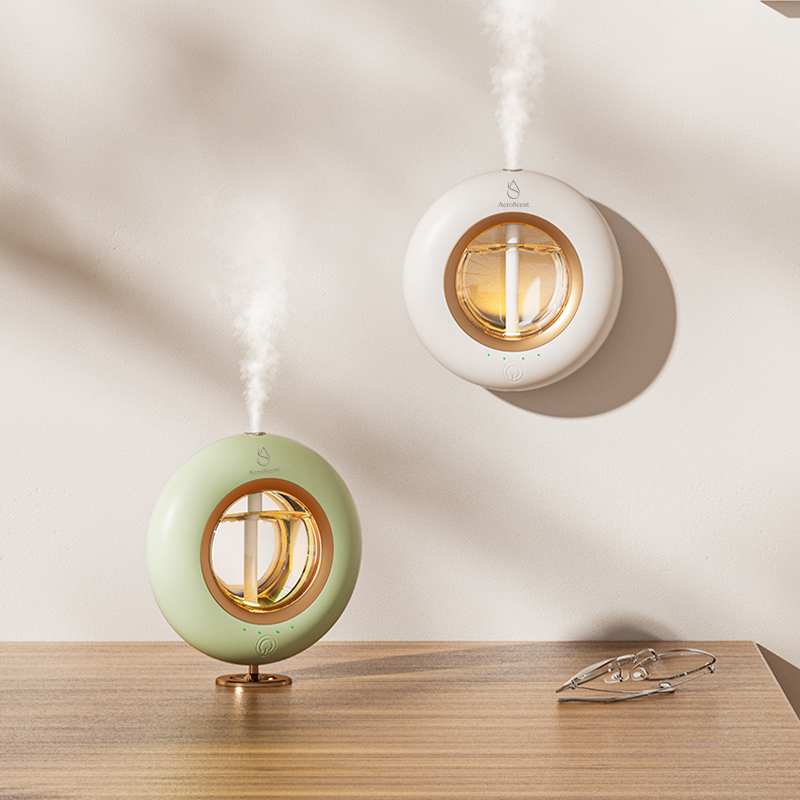
Wall-mounted units adapt easily to various application scenarios. Hotel lobbies utilize them to establish a welcoming, luxurious ambiance upon arrival. Retail spaces deploy specific fragrances to reinforce brand identity and increase customer dwell time. Fitness centers disperse energizing citrus blends in locker rooms to boost member motivation and mask sweat odors. Medical clinics use calming lavender or chamomile to relieve patient stress in waiting rooms.
Capacity and output separate professional hardware from basic consumer goods. A commercial diffuser features a highly efficient milliliter-per-hour consumption rate while covering massive square footage. Advanced atomizers break the oil down into sub-micron nanoparticles. These tiny particles weigh almost nothing, allowing them to float in the air for hours. This maximizes the scent footprint while minimizing consumable waste. A standard 500ml reservoir can last several months in a commercial setting, whereas a residential unit might require weekly attention.
Advanced scheduling transforms how facilities manage their atmosphere. Modern units utilize Bluetooth or Wi-Fi-enabled apps for complete operational control. Facility managers can set specific operating hours, intensity levels, and active days of the week. You can program the device to run at 30% intensity during quiet morning hours and ramp up to 80% during peak afternoon traffic. You can also set duty cycles, telling the machine to spray for 60 seconds and pause for 120 seconds. This automation aligns scent delivery perfectly with desired mood shifts and prevents overwhelming the space.
HVAC proximity offers a strategic installation advantage. Mounting a device near an air intake vent simulates whole-building scenting. The HVAC system pulls the atomized nanoparticles into the return ductwork and distributes them evenly throughout the facility via the supply vents. This provides the benefits of an integrated HVAC scenting system without the complex, invasive ductwork modifications usually required. You get whole-home or whole-office coverage from a single wall-mounted unit.
Evaluating load-bearing requirements prevents installation failures. You must account for the weight of the unit plus a full oil reservoir. Commercial reservoirs typically hold between 100ml and 500ml of liquid. While the devices are not excessively heavy, they require secure anchoring to prevent vibration noise. If the unit sits loose on the wall, the internal pump will rattle against the drywall, creating an annoying hum.
Installation methods vary based on the surface material and permanence. Heavy-duty adhesive strips work well for temporary placements or mounting on tile and glass where drilling is prohibited. However, drywall anchors and stud-mounting remain the gold standard for permanent fixtures. Screwing the backplate directly into a wall stud guarantees the unit will withstand daily vibrations and routine maintenance handling.
Maintenance workflows depend heavily on the reservoir design. Cartridge systems allow you to swap proprietary oil bottles in seconds. You simply unscrew the empty bottle and attach the new one. Pour-in systems require you to refill a permanent bulk reservoir from a larger jug. While pour-in systems offer more flexibility in oil sourcing, cartridge systems eliminate the risk of pouring spills on the wall or floor.
Cleaning protocols dictate the lifespan of the nebulizing nozzle. Pure essential oils leave behind a sticky resin over time. You must run rubbing alcohol through the system periodically to prevent micro-clogs. A scent dispenser mounted at chest height makes this process highly accessible. You can easily remove the bottle, add a few ounces of 91% isopropyl alcohol, and run the machine at maximum intensity for fifteen minutes. This clears the internal siphon tube and atomizer head, ensuring peak performance for the next oil cycle.
Selecting the right power source impacts installation flexibility. Battery-operated units offer ultimate placement freedom. You can mount them in hallways, bathrooms, or elevators without worrying about outlet proximity. However, you must assess the reliability of D-cell or rechargeable lithium-ion batteries. High-intensity settings drain batteries quickly, requiring frequent replacements or recharges. You must factor this into your monthly maintenance schedule.
Plug-in units provide consistent, uninterrupted power. A standard 120V outlet ensures the device runs exactly as programmed without battery anxiety. The trade-off involves cord management. You must either mount the unit directly above an outlet to hide the plug, use paintable wire channels, or hire an electrician to install a recessed outlet directly behind the designated mounting spot. Hardwiring offers the most professional finish but requires the highest initial effort.
Initial investments for wall-mounted hardware exceed the cost of basic plastic tabletop units. The engineering required for cold-air nebulization, programmable timers, and secure metal housings drives this entry price higher. Buyers must acknowledge this upfront commitment when upgrading their scenting strategy. You are paying for commercial-grade internal pumps and precision-machined atomizer nozzles.
Consumable efficiency heavily offsets the initial hardware cost. Programmable intensity controls ensure the machine only runs when needed. Waterless atomization breaks the oil down so finely that a single drop covers a massive area. Over a 12-month period, this efficiency drastically reduces essential oil waste. You purchase fewer oil refills while experiencing superior, consistent therapeutic benefits. The system pays dividends by maximizing the yield of every single ounce of oil.
Wall-mounted systems require a commitment to location. Once you drill holes and mount the backplate, moving the device becomes a chore. This inflexibility means you must carefully plan the installation spot. If you frequently rearrange your room layouts or move furniture, a fixed unit might limit your design choices. You will have to patch and paint drywall if you decide to relocate the machine later.
Tabletop units offer easy relocation. You can move them from the bedroom to the living room in seconds. However, this portability sacrifices the optimized airflow, safety, and aesthetic cleanliness of a permanent installation. For users seeking a set-it-and-forget-it solution, the permanence of a wall mount represents a massive upgrade rather than a limitation. It integrates the scenting process into the building's infrastructure.
A: Mount the device between 60 and 72 inches off the floor. This height catches the room's natural air currents, ensuring optimal scent distribution. It also keeps the concentrated oils safely out of reach of children and pets while remaining accessible for maintenance.
A: Most advanced wall units use cold-air nebulizing technology, which does not require water. They atomize pure essential oils directly into the air. This preserves the oil's therapeutic properties and prevents unwanted indoor humidity or mold growth.
A: Yes. Commercial units work exceptionally well in large, open-concept homes. You can use the built-in app controls to turn down the intensity levels. They offer larger oil capacities, meaning you will refill them much less frequently than standard residential models.
A: They support environmental wellness by dispersing pure, therapeutic-grade essential oils. Because waterless units do not add moisture to the air, they avoid the mold and mildew risks associated with traditional humidifying diffusers, making them safer for respiratory health.
A: Yes, provided they are installed correctly. High-quality units feature directional nozzles that project the atomized mist outward, away from the wall. This prevents oil residue from accumulating on your paint or wallpaper over time.
A: You can mount the unit directly over an existing electrical outlet to conceal the plug entirely. Alternatively, use paintable cord concealer channels along the wall, or opt for a battery-operated model to eliminate wires completely.
A: Refill frequency depends on the bottle capacity, programmed intensity, and operating hours. A 100ml bottle running at moderate intensity for 8 hours a day typically lasts about one month. Commercial 500ml reservoirs can last up to three months.


