
Views: 0 Author: Site Editor Publish Time: 2026-08-26 Origin: Site


Home fragrance has shifted from synthetic aerosols to multifunctional devices combining olfactory, visual, and physiological stimuli. The market is saturated with low-quality, white-labeled diffusers. These units suffer from motor burnout, plastic degradation from citrus oils, and harsh, non-adjustable lighting that disrupts home environments. To select a reliable led light essential oil diffuser, buyers must move beyond basic aesthetics. You need to evaluate diffusion technology, material safety, sustainability, and lighting customization. This guide provides a technical framework for assessing and shortlisting the right device for specific room sizes, wellness goals, and interior designs. We will examine motor types, tank materials, and maintenance protocols to ensure long-term performance.
Modern homeowners require devices that serve multiple sensory functions without adding visual clutter. A successful device acts as a functional appliance, a physiological support tool, and a cohesive design element. You cannot settle for a unit that merely disperses scent. Poorly designed units often feature noisy fan bearings that wear out after 300 hours of use, causing a persistent rattling noise. They suffer from weak mist output that fails to cover a standard bedroom, or they use glaring LED lights that cannot be turned off at night. A high-performing device balances acoustic discretion with powerful diffusion. It operates quietly in the background while effectively distributing aroma throughout the intended space. Success is measured by how well the unit maintains consistent output without requiring constant user intervention, frequent repairs, or complex maintenance routines.
The integration of scent and light relies on evidence-based sensory stimulation. Specific light wavelengths combined with targeted essential oils compound relaxation metrics. Warm amber light in the 2700K to 3000K color temperature range paired with lavender supports bodily systems and enhances sleep routines. Cool blue light combined with peppermint or eucalyptus promotes focus during work or meditation practices. Chromotherapy utilizes these color spectrums to influence mood and energy levels. When synchronized with aromatherapy, the physiological response is amplified. The olfactory system connects directly to the brain's limbic system, which processes emotions and memory. Adding visual cues through controlled lighting creates a multi-sensory environment. This helps regulate stress and supports overall home wellness without relying on synthetic chemical sprays.
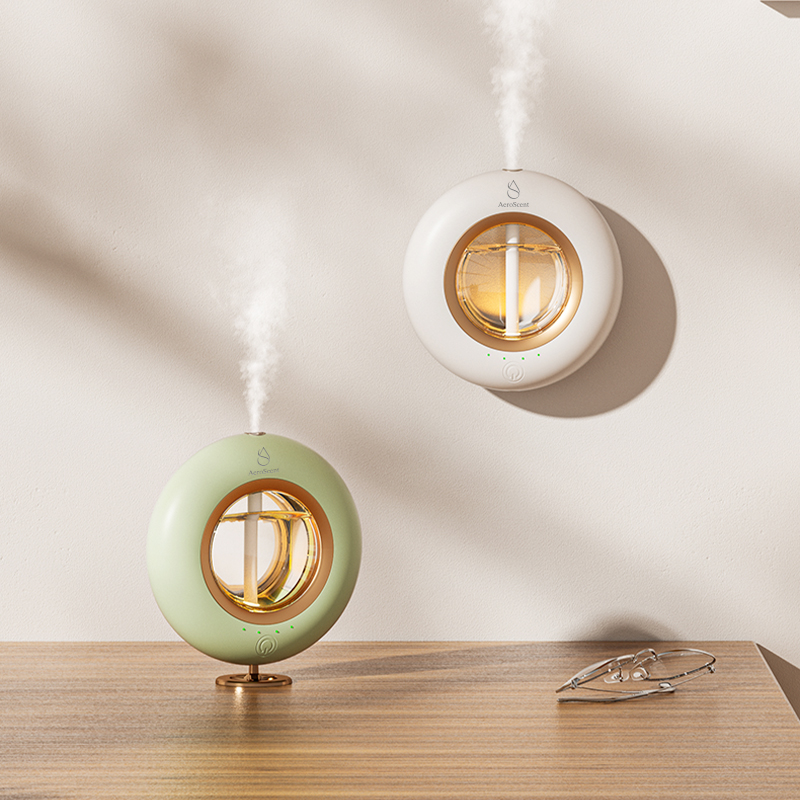
Utilitarian plastic appliances have shifted toward architectural designs. A modern decorative diffuser uses wood grain, frosted glass, and ceramic shells to blend into contemporary interior design. Early models prioritized function over form, resulting in bulky, medical-looking devices made of cheap ABS plastic. Today, manufacturers recognize that home appliances must complement decor. Frosted glass domes diffuse LED light softly, eliminating harsh glare and creating a lantern-like effect. Hand-crafted ceramic covers offer a tactile, artisanal quality that resists chemical degradation. Natural bamboo bases provide warmth and align with eco-conscious interior trends. You no longer have to hide your wellness devices when guests arrive. They stand as intentional design pieces that elevate the visual appeal of a room while performing their core aromatic functions.
The market categorizes devices based on how they disperse oil and integrate light. Understanding these mechanical differences is the first step in selecting the right unit. Some rely on water and high-frequency vibration, while others use pressurized air pumps. Lighting systems range from basic single-color bulbs to advanced, programmable arrays utilizing Pulse Width Modulation (PWM) for flicker-free dimming. Your choice depends entirely on your specific space requirements, desired scent intensity, and aesthetic preferences. Evaluating these core technologies ensures you match the device capabilities with your actual daily usage patterns.
Ultrasonic models use water and high-frequency vibrations to create a fine mist. They are best for general home use. They add slight moisture to combat dry indoor air while providing subtle scenting. The core component is a piezoelectric ceramic disc located at the bottom of the water tank. This plate vibrates at approximately 2.4 million times per second (2.4 MHz). This rapid vibration breaks down water and oil molecules into a breathable vapor measuring about 5 microns in diameter. This method is generally quieter, operating around 25 to 30 decibels, and uses oil slowly.
Nebulizing models use pressurized air and no water. They force essential oils through a specialized glass atomizer using the Bernoulli principle. This creates a highly concentrated vapor. They are best for large spaces and therapeutic-grade scent concentration. However, they are typically louder, often hitting 45 to 50 decibels due to the internal air pump. They also consume oil much faster. Since they do not use water, they do not alter room humidity or risk spilling water on sensitive surfaces.
| Technical Specification | Ultrasonic Diffuser | Nebulizing Diffuser |
|---|---|---|
| Core Mechanism | 2.4 MHz Piezoelectric ceramic disc | Pressurized air pump & glass atomizer |
| Carrier Medium | Water (Tap or Filtered) | None (Pure Essential Oil) |
| Particle Size | Approx. 5 microns | 1 to 3 microns |
| Acoustic Output | 25 - 30 dB (Whisper quiet) | 45 - 50 dB (Noticeable hum) |
| Maintenance Frequency | High (Weekly cleaning required) | Medium (Periodic alcohol flushes) |
| Humidity Impact | Adds 20-50ml of moisture per hour | Zero impact on room humidity |
Basic single-color LED models offer limited functionality and often suffer from harsh glare. Dynamic RGB systems provide a broader spectrum of utility for a LED aroma diffuser. Smooth color transitions require high-quality LED arrays and advanced microcontrollers. Stepped or jerky color changes distract the eye and ruin the ambient experience. Customizable light effects allow you to set specific moods for different times of the day. A bright, cool white (5000K) suits a morning routine, while a dim, warm orange (2200K) is better for evening wind-down. The absolute necessity of a "light-off" mode cannot be overstated. Nighttime operation requires complete darkness for optimal sleep hygiene. Devices lacking independent controls for mist and light often end up unplugged and unused in bedrooms.
Buyers must use specific criteria to evaluate a potential purchase. Focusing solely on exterior design leads to poor long-term satisfaction. You must assess the internal components, the output metrics, and the user interface. A structured evaluation prevents the common mistake of buying an underpowered unit for a large room or a visually appealing unit made from degrading plastics that will leak within six months.
Cheap plastics react violently with volatile organic compounds (VOCs) found in essential oils. D-limonene, a compound heavily present in citrus oils like lemon and sweet orange, acts as a solvent. It will literally melt standard polystyrene or cheap ABS plastics. This reaction causes the water reservoir to crack, leak, or leach microplastics into the mist. Establish a baseline requirement for medical-grade, BPA-free polypropylene (PP) for any internal components that touch water and oil. Polypropylene is highly resistant to chemical solvents. For exterior construction, prioritize inert, sustainable materials. Glass, ceramic, and responsibly sourced wood offer superior durability and safety. These materials do not interact with the oils, ensuring the purity of the vapor. Eco-friendly construction also supports sustainable manufacturing practices, reducing the environmental footprint of your home appliances.
Matching tank size and mist output to square footage dictates performance. A 100ml tank typically outputs 15 to 20ml of water per hour. This volume is suitable for a small bedroom or office up to 150 square feet. A 500ml tank can output 30 to 50ml per hour, covering open-plan living spaces up to 500 square feet. An undersized diffuser in a large living room leads to a weak scent throw. The mist dissipates into the ambient air before reaching the edges of the room. Conversely, an oversized unit in a small, enclosed space overwhelms the senses and leaves heavy condensation on surrounding furniture. Always check the manufacturer's recommended square footage and verify the actual output in milliliters per hour before purchasing.
Wi-Fi connectivity and app-controlled scheduling offer distinct advantages for home automation enthusiasts. Most smart diffusers require a 2.4GHz Wi-Fi network to function. You can program the device to start diffusing energizing scents thirty minutes before your alarm goes off. Voice assistant integration allows hands-free operation when you are cooking or cleaning. Intermittent misting timers (e.g., 30 seconds on, 30 seconds off) extend run times and prevent olfactory fatigue. Olfactory fatigue occurs when your olfactory receptors become saturated and stop registering a scent. Intermittent settings keep the aroma noticeable for hours. Evaluate whether these features justify a higher price point. If you prefer manual operation and simple routines, a standard model with physical tactile buttons serves the exact same aromatic purpose.
Weighing competing features against specific needs helps clarify the purchasing decision. No single device excels in every category. You must decide which attributes align most closely with your daily habits and room layouts. Understanding these trade-offs prevents buyer's remorse and ensures the selected unit integrates smoothly into your home environment.
Budget-friendly entry models utilize basic plastics and simple ultrasonic plates. They work well for occasional use in small spaces but rarely last beyond a year of daily operation. Premium smart diffusers incorporate advanced materials, robust motors, and sophisticated software. Invest in advanced features like app control or premium glass housing if the device will be a focal point in a main living area. A reliable, mid-tier model offers the best value for secondary rooms like guest bedrooms or home offices. Mid-tier models usually provide BPA-free construction and independent light controls without the premium attached to Wi-Fi connectivity. Assess the longevity of the components. A slightly higher initial investment in a unit with a durable ceramic transducer often outlasts several cheaper models that suffer early motor burnout.
Highly decorative diffusers often feature smaller water reservoirs. The sleek, architectural shapes restrict internal volume. A slender ceramic cone might only hold 90ml of water. This requires more frequent refills, sometimes every three to four hours. Larger, more utilitarian models can hold up to 1000ml, running continuously for over 15 hours. You must balance visual appeal with maintenance tolerance. If you want a device to run all day without attention, prioritize tank capacity and accept a slightly bulkier footprint. If the unit is primarily a design accent used for short evening sessions, a smaller, highly aesthetic model is perfectly adequate.
More powerful motors generate higher decibel levels. Nebulizers, which offer the strongest scent throw, use air pumps that create a noticeable hum or vibration. This acoustic output may negate the calming benefits of a mood diffuser intended for a bedroom or quiet meditation space. Ultrasonic models are significantly quieter, often producing only a faint water trickling sound. If silence is paramount for sleep or concentration, accept the slightly weaker scent throw of an ultrasonic unit. If you need to quickly scent a large, noisy living room or a retail space, the acoustic footprint of a powerful nebulizer becomes less of an issue compared to its superior diffusion capabilities.
Post-purchase realities impact device longevity, user safety, and optimal performance. Proper setup and diligent maintenance are mandatory. Neglecting these areas leads to poor performance, potential health risks from mold, and premature hardware failure. Understanding how to operate and care for the device ensures you extract maximum value from your investment.
Initial setup requires precise water-to-oil ratios and proper water temperature. Use water between 60°F and 80°F. Cold water reduces mist output because the ultrasonic plate has to work harder to agitate the liquid. Overloading the tank with oil does not create a better experience; it clogs the ultrasonic plate and overwhelms the space. For a standard 100ml tank, use 3 to 5 drops of pure essential oil. For a 300ml tank, use 8 to 12 drops. Adjust based on the viscosity and strength of the oil. Thick oils like vetiver or patchouli require fewer drops than volatile top notes like sweet orange or lemon. Fill the tank with room-temperature, filtered water. Hard tap water introduces calcium and magnesium that calcify on the transducer. Do not overfill past the maximum fill line. Excess water weight prevents the ultrasonic vibrations from reaching the surface, resulting in zero mist output.
Strict maintenance is required for water-based ultrasonic models. Stagnant water breeds bacteria and mold within 48 hours. Empty any remaining water after each use and wipe the tank dry with a microfiber cloth. Perform a deep clean weekly to maintain peak performance.
Diffusing certain essential oils poses critical risks to dogs and cats. Pets lack specific liver enzymes, such as glucuronyl transferase in cats, needed to metabolize many volatile compounds. Eucalyptus, tea tree, citrus, peppermint, and ylang-ylang are highly toxic to pets. Symptoms of toxicity include drooling, lethargy, vomiting, muscle tremors, and respiratory distress. Implement mitigation strategies immediately. Ensure proper room ventilation by keeping doors open so pets can leave the area. Use passive diffusion methods like reed diffusers in pet-heavy zones instead of active misting. Select pet-safe oil blends containing cedarwood, frankincense, or lavender. Always consult with a veterinarian before introducing any new scents into a home with animals.
Physical placement impacts both performance and home preservation. The mist plume carries micro-droplets of water and oil. Placing the device directly under wooden cabinets or next to sensitive electronics causes moisture damage, warped wood, or electrical shorts over time. Position the unit on a solid, water-resistant surface. Use a protective tray or coaster beneath the device to catch any accidental drips during refilling. Keep the unit at least three feet above the floor to allow the mist to disperse into the room's airflow before settling. Avoid placing it directly in front of HVAC vents, return registers, or open windows. Strong drafts will blow the mist straight into walls or dissipate the scent too rapidly for you to enjoy it.
A: Yes, high-quality models feature independent operational modes. You can activate the LED lighting without turning on the misting function. This allows the device to serve as a standalone nightlight or ambient lamp, providing warm, dimmable illumination for bedrooms or hallways without consuming water or essential oils.
A: Ultrasonic models add micro-moisture to the air, which provides minor relief in dry climates. However, they are not replacements for dedicated humidifiers. A standard diffuser outputs 20 to 50ml of water per hour, whereas a true room humidifier outputs hundreds of milliliters per hour to significantly alter indoor humidity levels.
A: While essential oils neutralize odors and provide a perceived freshness, diffusers do not mechanically filter particulate matter. They cannot remove dust, dander, or allergens from the environment. For actual air purification, you must use a dedicated device equipped with a true HEPA filter.
A: Run times depend entirely on tank capacity and mist settings. A small 100ml tank typically runs for 3 to 5 hours continuously. A larger 300ml to 500ml tank runs for 8 to 14 hours. Using intermittent settings, such as misting every 30 seconds, effectively doubles these run times.
A: Yes, provided the device includes an automatic waterless shutoff feature. This mechanism turns off the transducer when the water level drops too low, preventing motor burnout and fire risks. Ensure the device also has a dark mode to turn off all lights and support healthy sleep hygiene.
A: The most common cause is overfilling the tank past the maximum water line, which stifles the ultrasonic vibrations. Other culprits include mineral buildup on the ceramic plate from hard water, or thick oil residue clogging the mechanism. A thorough cleaning with rubbing alcohol usually restores normal mist output.
A: Smart diffusers offer strong value for users who want to return to a pre-scented home or integrate wellness routines into existing smart home ecosystems. App-controlled scheduling and voice commands provide convenience. If you prefer manual operation and simple routines, the extra cost may not yield a significant return on investment.


