
Views: 0 Author: Site Editor Publish Time: 2026-07-09 Origin: Site


Dispersing essential oils changes the ambient and therapeutic profile of a room. Selecting the wrong dispersal technology leads to degraded oil quality, premature device failure, or inadequate scent throw. The market is flooded with low-quality devices marketed as therapeutic tools. Buyers struggle to differentiate between aesthetic novelties and functionally sound equipment. This confusion results in wasted investments on units that alter oil chemistry, harbor mold, or fail to cover the intended square footage. Moving beyond basic aesthetics requires a technical evaluation of how different diffusers operate. You must understand the mechanics of essential oil diffusion to make an informed choice. This guide breaks down the core technologies, including ultrasonic, nebulizing, and evaporative systems. We provide a strict framework for evaluating performance, safety, and maintenance realities to help you select the right equipment for your specific environment.
An essential oil diffuser is a mechanical device engineered to break down highly concentrated plant extracts into micro-particles. It disperses these particles into the surrounding air for inhalation and ambient scenting. Understanding this mechanical process is the first step in optimizing your space. The equipment relies on specific physical principles, such as high-frequency vibration or pressurized air, to atomize viscous liquids into a breathable mist.
Many people confuse diffusers with standard humidifiers. Humidifiers are designed strictly for high-volume moisture output. They lack the corrosive-resistant components necessary to handle concentrated plant extracts. If you add oils directly to a standard humidifier tank, the device will degrade rapidly. The plastics will crack, the seals will fail, and the motor will short out. Humidifiers use standard ABS plastics, which melt when exposed to the terpenes found in natural oils.
Diffusion facilitates inhalation by allowing vaporized micro-particles to cross the olfactory pathway. This process stimulates the limbic system in the brain. This biological interaction highlights the stark difference between synthetic fragrance masking and genuine therapeutic aromatherapy. The ultimate goal of diffusion is achieving optimal olfactory saturation. You want to fill the room without altering the chemical structure of the oil or causing olfactory fatigue. The particle size must remain between 1 and 5 microns to stay suspended in the air current rather than dropping immediately to the floor.
| Specification | Standard Humidifier | Aromatherapy Diffuser |
|---|---|---|
| Primary Function | Increase room humidity levels | Disperse volatile plant compounds |
| Material Construction | Standard ABS plastic | Medical-grade PP, glass, or ceramic |
| Particle Size | 10-50 microns (heavy water droplets) | 1-5 microns (fine mist suspension) |
| Oil Compatibility | None (will cause structural failure) | High (designed for corrosive terpenes) |
Proper placement directly impacts performance. Always place your aromatherapy diffuser on a flat, elevated, water-resistant surface. Keep it at least two to three feet off the ground. Position the unit away from direct sunlight, heavy drafts, and sensitive electronics. This placement maximizes mist suspension in the air. Placing the unit on the floor causes the mist to settle into carpets, wasting the oil and potentially causing moisture damage.
Water chemistry matters significantly for ultrasonic models. Hard tap water contains high levels of calcium and magnesium. These minerals cause rapid scale buildup on the internal components. This scale blocks the ultrasonic transducer plate and reduces mist output to a trickle. Distilled water optimizes mechanical vibration longevity and keeps the unit running efficiently. If distilled water is unavailable, heavily filtered water is the next best option.
Determining the right dilution rate prevents overwhelming scent throw and device clogging. Follow a standard formulation baseline. Use 3 to 5 drops of pure essential oil per 100 mL of water. Adjust this ratio based on the specific oil's viscosity and your room size. Thick oils like vetiver or patchouli require fewer drops and warmer water to disperse properly. Thin oils like lemon or sweet orange disperse rapidly and may require a slightly higher concentration.
Blending oils requires a structural approach. Combine top, middle, and base note oils within a single diffusion cycle. Top notes evaporate quickly, while base notes linger. This strategy ensures a balanced, long-lasting aromatic profile throughout the day. A standard field blend consists of 30% top notes (citrus), 50% middle notes (floral/herbaceous), and 20% base notes (wood/resin).
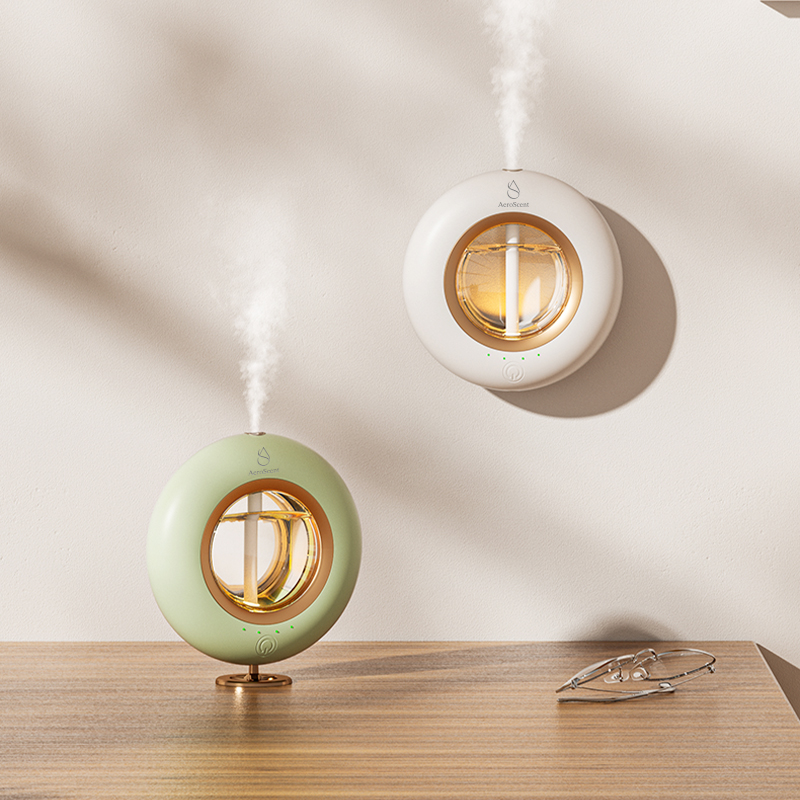
Different environments require different diffusion methods. Understanding the technical mechanics of each category ensures you select the right tool for the job. Do not rely on marketing claims; look at the internal mechanics.
Ultrasonic units utilize electronic frequencies to create vibrations in water. A small piezoelectric ceramic disc at the base of the tank vibrates at approximately 2.4 million times per second. This rapid cavitation breaks the essential oil and water into a fine mist that blows into the room via a small internal fan.
These devices are highly cost-effective and double as micro-humidifiers. They consume essential oils at a slower rate than other methods. However, ultrasonic dispersion dilutes the therapeutic potency of the oil. They are generally ineffective in very large spaces and introduce unwanted moisture into naturally humid environments. If your room already sits at 60% relative humidity, adding an ultrasonic unit will make the space feel damp.
Nebulizing diffusers employ Bernoulli’s principle. They use an internal air pump to force pressurized air through a small glass tube. This high-velocity airflow creates a vacuum that pulls the essential oil up from the reservoir. The oil hits a glass baffle and shatters into a pure, undiluted micro-fine vapor without using heat or water.
This technology delivers the strongest, most chemically intact scent profile available. Nebulizers are ideal for large square footage. On the downside, they consume oil rapidly. They also operate with a noticeable humming sound from the air pump and require a higher upfront investment. The glass micro-tubes are fragile and require careful handling during cleaning.
These units use gentle heat or airflow to accelerate the natural evaporation of the oil. Heat diffusers might use electricity or a tea light candle. Evaporative models typically use small computer fans blowing through a scented cellulose pad.
Heat diffusers offer silent operation, while evaporative units are highly portable with a low barrier to entry. Unfortunately, heat fundamentally alters the delicate chemical constituents of essential oils. This thermal degradation neutralizes therapeutic properties. Furthermore, evaporative models cause uneven scent distribution, as lighter top notes evaporate long before heavier base notes, leaving a sticky residue on the pad.
| Technology Type | Mechanical Action | Optimal Environment | Primary Drawback |
|---|---|---|---|
| Ultrasonic | Piezoelectric cavitation | Small to medium rooms, dry climates | Dilutes oil potency, adds humidity |
| Nebulizing | Pressurized air atomization | Large spaces, therapeutic purity | High oil consumption, operational noise |
| Evaporative/Heat | Airflow or thermal evaporation | Travel, localized personal scenting | Alters chemical structure, uneven scent |
You must match the technology to your square footage. Ultrasonic models generally fail in open-concept spaces. They max out around 300 square feet of effective coverage. If you place a 100mL ultrasonic unit in a 1,000-square-foot warehouse loft, you will not smell anything past a five-foot radius. Nebulizers are required for commercial spaces or large living areas. A high-quality nebulizer can cover up to 1,000 square feet easily because it outputs pure volatile organic compounds without heavy water molecules weighing them down.
Output controls are completely necessary. Variable mist output settings prevent over-saturation in smaller, enclosed rooms. Look for units that offer low, medium, and high dispersion rates. A unit running on high in a small bathroom will cause headaches and respiratory irritation within twenty minutes.
Essential oils are highly corrosive solvents. Citrus oils, containing high levels of d-limonene, will eat through cheap plastics in a matter of days. You must evaluate reservoir materials carefully. Cheap polycarbonate plastics will melt, warp, and leach synthetic chemicals into the mist you breathe.
Never use synthetic fragrance oils or heavy carrier oils like jojoba, almond, or coconut in professional-grade diffusers. These heavy lipids cause rapid nozzle clogging and chemical degradation of polymer parts. Always look for devices built with BPA-free, medical-grade polypropylene (PP) plastics, borosilicate glass, or ceramic components. Polypropylene is highly resistant to chemical solvents and will maintain its structural integrity for years.
Continuous diffusion leads to olfactory fatigue. Your olfactory receptors become saturated, and your brain simply stops registering the scent. Intermittent diffusion is a biological necessity. Set your device to run for 10 minutes on and 20 minutes off. This cycle keeps the room scented while allowing your receptors to reset.
Automation features protect your hardware. Auto-shutoff mechanisms based on water level or timers prevent motor burnout. If an ultrasonic unit runs dry, the ceramic disc will overheat and crack. This feature ensures safe unattended operation in any environment.
Standing water in ultrasonic diffusers creates a severe biofilm risk. Hard water calcification and bacterial growth occur rapidly if the unit is not cleaned weekly. You do not want to aerosolize mold spores or legionella bacteria into your breathing space. Maintenance is not optional; it is a strict operational requirement.
Implement standard cleaning procedures immediately. Use 90% isopropyl alcohol to clean glass nebulizer reservoirs. The alcohol dissolves the thick essential oil resins. Run a water and white vinegar cycle for ultrasonic models. Fill the tank halfway with water, add ten drops of pure white vinegar, and run it for five minutes. Dump the liquid, wipe the ceramic disc gently with a cotton swab, and rinse. Regular cleaning maintains warranty validity and ensures consistent device performance.
Natural does not mean harmless. Active diffusion around pets carries toxicity risks. Cats lack the liver enzyme (glucuronyl transferase) required to process certain phenols and ketones found in oils like eucalyptus, tea tree, and peppermint. Dogs have hyper-sensitive respiratory tracts. Always consult a veterinarian before diffusing oils around animals, and always leave a door open so the animal can leave the room.
Proper ventilation is mandatory. Ensure adequate airflow in the room to prevent respiratory irritation from volatile organic compounds (VOCs). Even natural plant extracts can irritate the lungs in unventilated, enclosed spaces. If the windows are sealed and the HVAC is off, run the unit on its lowest setting.
Spas, clinics, and boutique retailers must look beyond consumer-grade marketplaces. Commercial and bulk purchasing requires a different level of quality control. Consumer units simply cannot withstand continuous daily operation in a commercial setting. The motors burn out, and the plastics degrade under heavy use.
When assessing a wholesale essential oil diffuser distributor, evaluate their defect rates strictly. Ask for their standard RMA (Return Merchandise Authorization) percentage. Check the availability of replacement parts, especially fragile glass nebulizer reservoirs and replacement power supplies. If you plan to build a brand, verify their white-label manufacturing capabilities and tooling costs.
Certifications dictate compliance and safety. Ensure the distributor provides devices with verified CE, FCC, and RoHS certifications. RoHS compliance ensures no lead or hazardous materials were used in the circuit boards. FCC compliance ensures the electronic frequencies do not interfere with other equipment. These documents mitigate liability and prove electrical safety standards have been met during manufacturing.
There is no single perfect device on the market. The optimal choice depends entirely on your primary goal. Choose nebulizing technology for therapeutic purity. Select ultrasonic models for ambient scenting with added humidity. Use evaporative units for localized fragrance.
Base your purchasing decision on room size, your willingness to perform routine maintenance, and the quality of the oils you use. Never put expensive, pure therapeutic oils in a heat diffuser, as the thermal degradation will destroy the compounds you paid for.
A: Run your diffuser intermittently to prevent olfactory fatigue and over-saturation. A standard cycle is 15 to 30 minutes on, followed by 30 to 60 minutes off. Continuous operation wastes oil and can cause respiratory irritation in enclosed spaces.
A: Ultrasonic diffusers add a small amount of moisture to the air, acting as micro-humidifiers. However, their water output is significantly lower than a dedicated room humidifier. They are not effective for raising the overall humidity of a large, dry room.
A: A nebulizer uses pressurized air to atomize pure essential oil without water, delivering a strong, undiluted scent. An ultrasonic diffuser uses high-frequency vibrations to disperse a mixture of water and essential oil, creating a lighter, diluted mist.
A: Yes, improper use leaves residue. Nebulizers running heavy base oils or ultrasonic units placed too close to surfaces cause oil particles or mineral dust from hard water to settle on nearby furniture. Always elevate the device.
A: Empty standing water daily. Perform a deep clean once a week using a mixture of water and white vinegar for ultrasonic models, or 90% isopropyl alcohol for nebulizers. This prevents mold colonization and mineral scale buildup.
A: Waterless nebulizing diffusers are better for maximizing therapeutic benefits and covering large areas, as they do not dilute the oil. Water-based ultrasonic diffusers are better for smaller rooms, dry climates, and conserving essential oil supplies.


