
Views: 0 Author: Site Editor Publish Time: 2026-07-18 Origin: Site


Finding the right source for your aromatherapy equipment requires navigating a crowded market filled with varying levels of quality. Buyers often face a dilemma when trying to locate a high-quality, long-lasting device that effectively disperses scent without degrading over time. Choosing the right retail store or wholesale partner directly impacts product safety, warranty coverage, and device longevity.
The source matters because essential oils contain active chemical compounds. Poorly manufactured devices use low-grade plastics that break down when exposed to these oils. This guide details direct pathways for purchasing individual units or sourcing wholesale bulk shipments. You will learn critical purchasing criteria, material safety standards, and how to vet sellers effectively to ensure you get exactly what you need for your space.
Before deciding where to buy, you must understand the technical specifications of the equipment. Different environments require specific dispersion methods. Evaluating these factors ensures you select a device capable of meeting your spatial and operational demands. You need to look past the exterior design and focus on the internal components that actually do the work.
The dispersion mechanism dictates how the oil enters the air. Each technology serves a distinct purpose based on room size, desired scent intensity, and maintenance capabilities. Understanding these differences prevents you from buying a unit that underperforms in your specific environment.
Essential oils are highly concentrated and can act as solvents. The materials housing the oil must withstand continuous exposure without degrading. If you buy a unit made from cheap materials, the oils will literally eat through the plastic over time.
Matching the device capacity to the square footage of the room prevents under-scenting or overwhelming the space. A unit designed for a small bedroom will not effectively scent an open-concept living area.
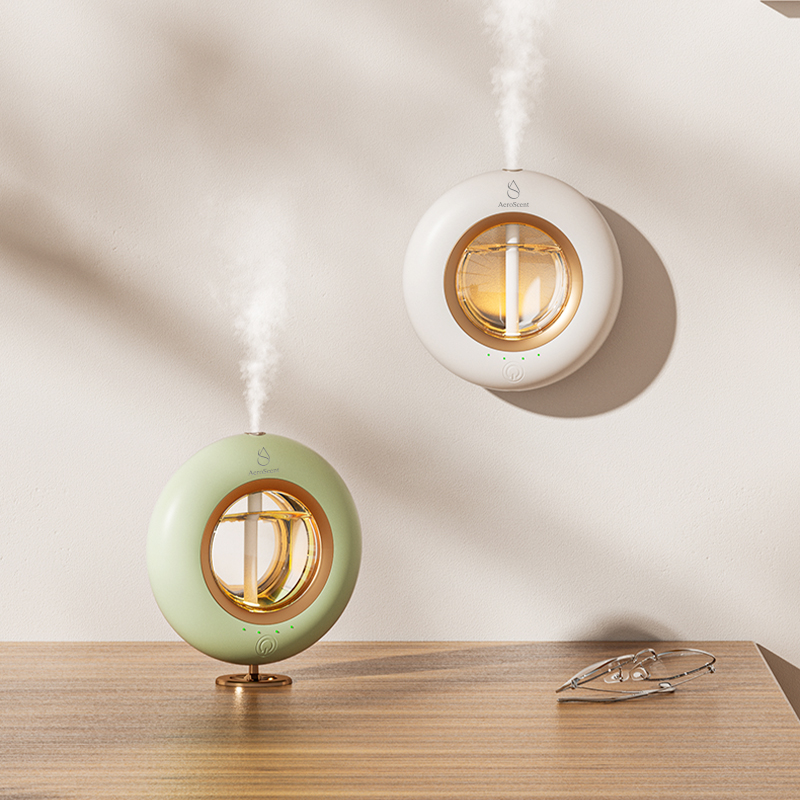
Individual consumers looking for a single Essential Oil Diffuser have several distinct retail channels to explore. Each channel offers different benefits regarding product testing, warranties, and design variety. Knowing where to look saves time and ensures you get a product backed by reliable customer service.
Purchasing directly from specialized wellness brands guarantees authenticity. These companies focus heavily on aesthetic designs and verified non-toxic materials. Buying direct often secures high-end warranties and dedicated customer support. You bypass middlemen, ensuring the product ships straight from the manufacturer's warehouse. This route is ideal for buyers prioritizing premium build quality and sustainable sourcing. These brands often provide detailed transparency reports about their manufacturing processes and material sourcing.
When you buy from a dedicated wellness brand, you also gain access to their proprietary oil blends. They design their hardware to work optimally with their specific oil viscosities. This synergy often results in fewer clogs and a longer lifespan for the internal components. Furthermore, these brands frequently offer replacement parts, such as new power cords or replacement glass covers, which extends the usable life of the product significantly.
Platforms like Amazon, Wayfair, and Target aggregate thousands of options. These marketplaces excel in offering fast shipping and extensive user review databases. You can quickly compare top-rated models and read real-world performance feedback. However, the sheer volume of products requires careful filtering. Always check the seller's profile to avoid counterfeit or low-grade knockoffs. Look for listings with detailed technical specifications and clear warranty terms.
To navigate these massive platforms successfully, you must learn to read between the lines of customer reviews. Look for reviews that mention long-term durability rather than just initial impressions. Pay attention to comments about how easy the unit is to clean. A device that looks beautiful but has a narrow water tank opening will become a breeding ground for mold and bacteria because you cannot physically reach inside to wipe it down.
Local apothecaries and national organic grocery chains provide a tactile shopping experience. You can inspect the build quality, test the controls, and sometimes sample the mist output. Expert staff recommendations help narrow down choices based on your specific needs. In-person purchasing eliminates shipping delays and simplifies the return process if the device malfunctions.
Shopping locally allows you to verify the physical weight and stability of the unit. You can check the length of the power cord and see if the indicator lights are too bright for a bedroom setting. Many specialty stores also carry replacement parts and offer in-house troubleshooting if you encounter issues with mist output or strange noises during operation.
Commercial buyers, spa owners, and retailers require a different procurement strategy. Sourcing bulk inventory demands strict vetting to ensure consistent quality across large production runs. You cannot afford to have a high defect rate when outfitting a hotel or stocking retail shelves.
Verified business directories help locate specialized manufacturers and wholesalers. These portals categorize suppliers by region, production capacity, and specialty. Searching these databases filters out retail middlemen, connecting you directly with the factory floor. Trade shows also provide valuable networking opportunities to inspect prototype units and discuss bulk manufacturing capabilities.
When using trade portals, look for suppliers who have been listed for multiple years. Fly-by-night operations frequently change their names to avoid bad reviews. Established factories will have a documented history of export compliance and a portfolio of past clients. Requesting a factory audit report from a third-party inspection agency provides peace of mind before transferring large sums of money.
Partnering with a reliable essential oil diffuser supplier mitigates risk and ensures regulatory compliance. You must ask the right questions during the initial negotiation phase to weed out inexperienced factories.
Choosing between domestic distributors and overseas factories involves weighing logistics. International sourcing generally offers lower unit costs but introduces longer lead times, customs duties, and complex freight logistics. Domestic suppliers provide faster shipping and easier communication but often act as importers, adding a markup to the final unit. Evaluate your storage capacity and timeline before committing to a sourcing region.
If you choose to source internationally, you must factor in the cost of sea freight, port fees, and potential customs holds. You also need to ensure the factory uses the correct power plugs and voltage ratings for your target market. A container full of units with European plugs is useless if you are selling in North America. Domestic sourcing bypasses these headaches but eats into your profit margins.
Understanding the structural differences between retail purchasing and bulk sourcing helps align your procurement strategy with your actual needs. The table below outlines the primary distinctions across various operational metrics.
| Criteria | Retail Channels | Bulk Wholesale Suppliers |
|---|---|---|
| Target Audience | Individual consumers, home users, gift buyers | Spa owners, retailers, private label brands, commercial spaces |
| Order Volume | Single units or small quantities | High volume, subject to Minimum Order Quantities (MOQs) |
| Customization | None (off-the-shelf products) | High (OEM/ODM, custom logos, bespoke packaging) |
| Support & Logistics | Standard consumer return policies, fast local shipping | Freight shipping, complex liability terms, defect replacement agreements |
| Lead Time | Immediate to a few days | Weeks to months (manufacturing and freight transit) |
| Payment Terms | Upfront via credit card or standard checkout | Wire transfers, letters of credit, 30/70 split payments |
| Warranty Handling | Return to store or mail to manufacturer | Self-managed using provided spare parts from the factory |
This comparison highlights why individual consumers should stick to retail channels, while businesses must build relationships with reliable factories. Attempting to run a commercial scenting operation by buying retail units will result in massive overhead costs and a lack of technical support when units inevitably fail under heavy use.
Whether buying a single aroma diffuser or outfitting a commercial space, certain warning signs indicate poor quality or unreliable sellers. Ignoring these red flags leads to wasted money and potential safety hazards.
Selecting the right purchase route depends entirely on your volume requirements and operational goals. Prioritize safety certifications, material durability, and supplier reliability over finding the absolute lowest cost. A well-constructed essential oil diffuser provides consistent performance and protects your environment from degraded plastics and electrical failures.
A: Ultrasonic models use water and vibration to create a diluted mist, acting as a light humidifier. Nebulizing models use pressurized air to atomize pure essential oil without water, delivering a much stronger and more concentrated aroma.
A: Always check the product specifications for "BPA-free" or "medical-grade" plastic. High-quality units often use polypropylene (PP) for the water tank, which resists the corrosive nature of concentrated oils.
A: It depends on the manufacturer's instructions. Many modern ultrasonic models accept tap water, but using distilled or filtered water prevents mineral buildup on the ultrasonic disc, extending the lifespan of the unit.
A: OEM (Original Equipment Manufacturer) means the factory produces a product based on your exact design specifications. ODM (Original Design Manufacturer) means the factory provides an existing design that you can brand with your own logo and packaging.
A: Low mist output usually results from mineral buildup on the ultrasonic disc, overfilling the water tank past the maximum line, or using water that is too cold. Regular cleaning with rubbing alcohol or white vinegar restores normal function.
A: You should wipe out the water tank with a damp cloth after every use to prevent oil residue buildup. Perform a deep clean with white vinegar or rubbing alcohol once a week to keep the ultrasonic disc functioning properly.


