
Views: 0 Author: Site Editor Publish Time: 2026-09-16 Origin: Site


Are you torn between the portability of a diffuser set and the room-filling power of a traditional diffuser? You are not alone. The right choice depends on your lifestyle, budget, cleaning habits, and how long you want the scent to last. A portable diffuser set comes pre-blended and battery-operated for instant aromatherapy. Traditional diffusers can be electric or passive, like reed models. Each option offers different levels of convenience and control. Think about your daily wellness routine. Do you need scent at home or on the go? Your answer will guide you toward the best fit.
Portable diffuser sets offer instant aromatherapy anywhere, while traditional diffusers fill a room with steady scent.
Portable sets use less oil and cost less over time, but traditional diffusers provide whole-room coverage.
Traditional diffusers need regular cleaning, but portable sets require minimal upkeep.
Choose portable for quick personal relief, or traditional for long-lasting ambiance in shared spaces.
Always use essential oils safely: ventilate rooms, dilute for skin, and test for allergies.
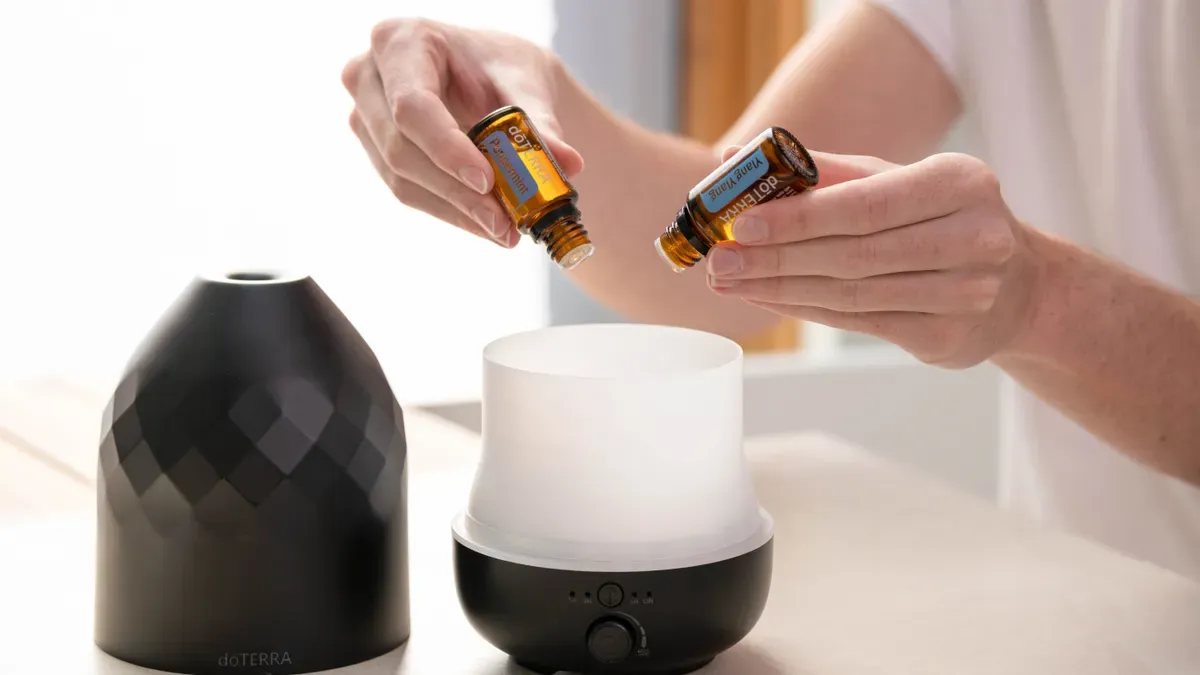
Image Source: pexels
You will find three main types of traditional essential oil diffusers on the market today. Ultrasonic models use water and vibration to create a fine mist. Nebulizing diffusers use pressurized air to turn pure essential oil into a vapor without any water. Reed diffusers work differently. They rely on wooden sticks to pull oil upward and release scent into the air.
Each type suits a different preference. Ultrasonic diffusers are quiet and add moisture to the room. Nebulizing diffusers deliver the strongest aroma because they use undiluted oil. A wood diffuser offers a decorative, low-tech option. You simply place the reeds in a bottle, and the scent travels up the sticks naturally.
Reed diffusers are passive. They need no electricity, heat, or water to work. If you use pure essential oil, they can be non-toxic and safe for most homes. However, the oil may evaporate quickly. A reed diffuser often lasts only a few days before you need to refill it. That short lifespan surprises many people who expect weeks of fragrance.
Electric diffusers have their own limits. Most run for about 8 hours before shutting off automatically. They also require a power source, so you must plug them in or keep them near an outlet. These diffusers work well for a bedroom or office. Yet they cannot travel with you. A traditional diffuser stays in one place and serves one room at a time.

Image Source: unsplash
A portable diffuser set packs everything you need into a tiny package. These sets often include nasal inhalers, mini USB devices, or scent sticks. You twist, click, or breathe in, and the aroma hits you right away. No water, no plug, no waiting. That is the beauty of a portable diffuser set. It fits in your pocket or purse, so you can take it anywhere.
A travel-friendly diffuser works well on planes, in cars, or at your desk. You do not need a power outlet or a flat surface. Just hold it close and breathe. Many people use these devices for focus, calm, or energy during a busy day. The design is simple, and the results come fast.
Portable diffusers are small, battery-operated, and pre-blended for instant use. That makes them ideal for travel and quick breaks. You do not measure oil or fill a tank. You just open the device and inhale. Traditional diffusers, by contrast, need setup, water, and a power source. They serve a room, not a person.
Portable diffusers also offer faster effects and less oil waste. A few drops go a long way in a personal inhaler. A wood diffuser or a full-size electric unit may use more oil to fill a space. With portable diffusers, you get direct delivery and no mess. That means less cleanup and more control over your scent experience. For busy days, that difference matters.
You want relief fast. A portable diffuser set delivers aroma within seconds. You twist the inhaler or press a button, and the scent reaches your nose right away. That instant aromatherapy matters when you feel stressed at your desk or need focus during a commute. Traditional diffusers take longer. An ultrasonic model needs water and a few minutes to build a mist. A wood diffuser may take even longer because the reeds must absorb oil before releasing fragrance.
Intensity works differently too. Portable diffusers concentrate the aroma right at your nose. You get a strong, personal experience without filling a whole room. Traditional diffusers spread scent across a larger space. That works well for a living room or open office. Yet the aroma feels weaker up close. You may need to sit near the device to notice the full effect.
Think about your goal. Do you want a quick lift during a busy afternoon? A portable diffuser set wins. Do you want a gentle background fragrance all evening? A traditional diffuser serves you better. Each option matches a different need.
Money matters, and essential oil adds up over time. According to Scentreat, 100% pure essential oils cost $10 to $30 per bottle. Each bottle lasts 2 to 4 months when you use it daily with an ultrasonic diffuser. That translates to an average monthly cost of roughly $2.50 to $15.00. Compare that to candles, which burn away and leave nothing behind. A small bottle of oil lasts far longer and gives you more value.
Portable diffusers use even less oil. A few drops in a personal inhaler go a long way. You do not fill a tank or refresh a whole room. That means less waste and lower refill costs. A wood diffuser, by contrast, may need frequent refills because the oil evaporates quickly. Electric diffusers also use more oil to maintain a steady mist.
Portable diffusers deliver aromatherapy quickly without needing to fill a whole room. That efficiency saves both time and money. You get the benefit you want with minimal product. For daily users, that difference adds up fast. A traditional diffuser still offers good value for whole-room coverage. Yet a portable option stretches every drop further. Choose based on how you use scent most often.
Traditional diffusers need regular attention to keep working well. Most ultrasonic diffuser manufacturers advise cleaning the device every 1–2 weeks. Many cleaning recommendations suggest weekly cleaning, which means the unit may run for most of the week with an established microbial colony in the tank. Skip this routine, and you risk clogged atomizers from oil residue buildup, blocked nozzles, weak fragrance output, and inconsistent mist production.
Here is a simple cleaning routine you can follow:
Perform a weekly deep clean.
Disassemble the parts your manual permits.
Soak removable parts in white vinegar for 15–60 minutes to dissolve scale.
Rinse the parts well.
If stubborn slime remains, soak water-contact surfaces in 3% hydrogen peroxide, based on EPA guidance for home humidifiers.
Let all parts dry completely before reassembly.
Use a cotton swab on the ultrasonic plate and in the creases where essential oil hides.
A wood diffuser requires less fuss, but you still need to flip the reeds and refresh the oil regularly. The ease of cleaning varies by type, so pick a model that matches your willingness to maintain it.
Portable diffusers are much simpler to maintain. You do not deal with water tanks, ultrasonic plates, or vinegar soaks. A quick wipe of the mouthpiece or inhaler opening usually does the job. That low-maintenance design makes these sets a favorite for travelers and busy professionals.
Still, you should clean your portable diffuser after each heavy use. Essential oil residue can build up on the inhaling surface and affect the scent quality over time. A damp cloth and a few seconds of your day keep the device fresh. Traditional diffusers demand more effort, but they reward you with room-filling aroma. Portable sets trade that power for convenience and minimal upkeep. Think about how much time you want to spend on cleaning before you commit to either option.
A portable set serves one nose at a time. A traditional diffuser serves everyone in the room. That difference matters when you host guests, work in an open office, or want a calm living room for the whole family.
Coverage numbers tell the story. Standard ultrasonic diffusers work best in rooms of 100–300 square feet, which suits bedrooms, bathrooms, and small offices. Nebulizing models reach much farther. Compact nebulizing units disperse scent across up to 400 square feet through waterless atomization of pure oil. Larger models scale up from there.
Nebulizing (Cold Air) Diffuser Model | Coverage Area |
|---|---|
Scentia MiniPod | 500 sq ft |
Scentia Pod | 600 sq ft |
Scentia Max | 1,500 sq ft |
Scentia Casa | 2,500 sq ft |
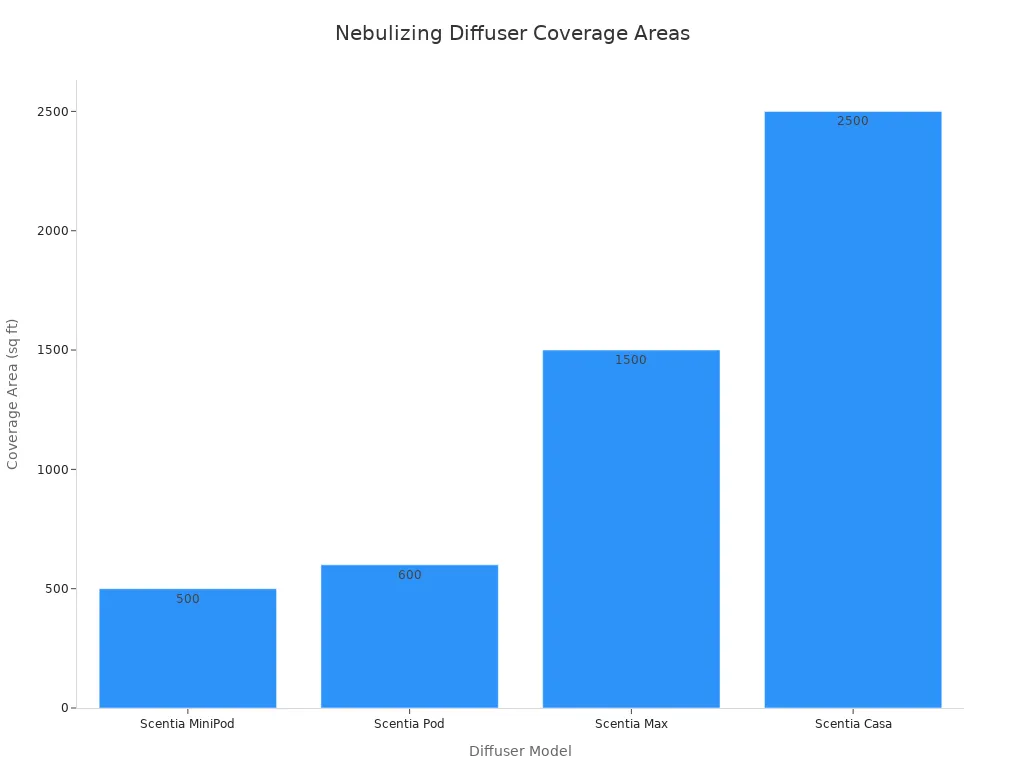
Standard nebulizing diffusers generally start at 500 square feet and climb with each model. A personal inhaler cannot match that reach. If your goal is a shared space that smells welcoming from the doorway, these diffusers do the job.
You also gain staying power. A portable device gives you a burst of aroma, then you cap it and move on. A traditional unit keeps working while you read, cook, or sleep. That steady background fragrance defines a room.
Reed models reward patience. A properly cared-for diffuser emits fragrance for 3 to 6 months, and you replace the reeds every 1 to 2 months as a general rule. Location changes the timeline. High-airflow or moist spots like a bathroom, entryway, or kitchen push replacement closer to 4 weeks. Cooler, still rooms like a bedroom or office stretch it to 8 weeks. Flip the reeds more than once a week, or notice the scent no longer fills the space, and it is time for fresh ones. Always swap in new reeds when you refill the oil. Six or more reeds give a stronger scent but need faster replacement. Fewer reeds give a subtler scent with a longer lifespan. Summer airflow shortens the interval, and winter calls for a check on dried-out or brittle reeds.
Electric models offer their own rhythm. Most run about 8 hours per session, which covers a workday or a full night of rest. A wood diffuser sits quietly on a shelf and releases fragrance without any plug at all. For slow evenings and long unwinding, that endurance beats a quick inhale every time.
Aromatherapy offers real benefits, but you need to use it wisely. Breathing in high concentrations of essential oil for long periods can stress your heart and lungs. That warning applies whether you use a traditional diffuser at home or a portable set on the go. You want fresh air circulating to prevent the particles from building up too much. Always keep the room well-ventilated when you run an electric unit. Open a window or crack the door. A portable inhaler delivers aroma directly to your nose, so avoid taking more than a few breaths at a time.
Concentration matters. Traditional diffusers fill a whole room with diluted mist. You get a gentle background level that spreads out. A portable set gives you a more direct dose. You control how close you hold it and how long you inhale. A quick inhale session works best when you keep it brief. Start with short sessions and pay attention to how you feel. If you notice dizziness or headache, stop and get fresh air. Better to use less and enjoy the benefits safely.
Some people react poorly to certain essential oils. You might get a headache, skin irritation, or breathing trouble from a blend that works fine for someone else. Always test a new blend in a small area first. Put a drop on your wrist and wait. If you see redness or feel itching, avoid that blend. Your body knows what works for you. Trust that reaction and choose blends that feel good and safe.
Diffusers can improve your indoor air quality compared to candles or sprays. Many candles release soot and volatile organic compounds (VOCs) into the air. Sprays can contain artificial fragrances and propellants. Diffusers that use pure blends avoid those extra pollutants. That makes them a cleaner option for your home. Many people find diffusers easier on the senses than sprays that linger for hours. Still, if you share space with others, ask about sensitivities before you start the diffuser. A scent you love might bother someone nearby.
You get the most from your portable diffuser set when you pick oils backed by real research. Several options stand out for focus and alertness. Bergamot may improve cognitive function and memory retention. Peppermint links to increased alertness and sharper focus. Frankincense supports concentration and memory. Rosemary boosts alertness and fights mental fatigue.
Essential Oil | Cognitive Benefits (Inhalation) |
|---|---|
Bergamot | May improve cognitive function and memory retention |
Peppermint | Linked to increased alertness and improved focus |
Frankincense | Associated with improved concentration and focus |
Rosemary | Demonstrated memory improvement and increased alertness |
Peer-reviewed work backs peppermint and rosemary further. One study on healthy university students found that inhaling peppermint aroma improved both prospective memory and retroactive memory, with an alertness boost that arrives almost immediately. For rosemary, a study in Therapeutic Advances in Psychopharmacology measured blood levels of 1,8-cineole after participants sat in a rosemary-scented room. People who absorbed more of the compound performed significantly better on cognitive tasks, and the effect was dose-dependent.
Dilution keeps your aromatherapy routine safe. For a daily energy ritual, mix a 1 percent dilution of grapefruit or sweet orange in a jojoba-based roll-on and apply to your pulse points. The face, neck, and inner arms need a conservative 0.5 to 1 percent dilution because that skin is thinner and more permeable.
Use Case | Dilution Ratio | Drops per 1 oz Carrier Oil |
|---|---|---|
Sensitive or children's skin | 0.5-1% | 3-6 drops |
General adult body use | 2% | 12 drops |
Localized muscle relief | 3-5% | 18-30 drops |
Facial application | 0.5-1% | 3-6 drops |
Follow a few simple steps. Shake or roll the diluted blend for even distribution. Apply a small amount to your wrist, inner elbow, base of throat, or behind the ears. Do not rub your wrists together, since that breaks down volatile compounds. Reapply every 4-6 hours as needed. Skip pulse point application of citrus-heavy blends before sun exposure because of photosensitivity risk. These habits protect your skin and keep your portable diffusers working well.
You have two solid paths here. Portable sets shine for aromatherapy on the go. Traditional units fill a room with steady fragrance for hours. Your choice comes down to portability, cost, cleaning, and safety.
Think about your daily routine. Do you want scent at your desk or in your pocket? Go portable. Do you want your living room to smell great as you relax? Pick a traditional model. You can try both.
Match the option to your lifestyle. Focus on your main need: mobility or coverage. That makes choosing the right option easier. Take a moment to decide what matters.
Which diffuser suits your lifestyle? Share your experience in the comments below!
Yes, you can. A few drops in a personal inhaler last a long time. Just keep your sessions short. Take a few breaths at a time. If you feel dizzy or get a headache, stop and get fresh air. Daily use works well when you pace yourself.
Reed diffusers do. They use wooden sticks to pull oil upward and release scent naturally. No plug, heat, or water needed. Electric models like ultrasonic and nebulizing units still require a power source. So you get passive operation only with reed styles.
Flip your reeds more than once a week, or notice the scent no longer fills the space, and it is time for fresh ones. Always swap in new reeds when you refill the oil. High-airflow spots push replacement closer to 4 weeks. Cooler rooms stretch it to 8 weeks.
A portable diffuser set wins here. You twist the inhaler or press a button, and the scent reaches your nose within seconds. Traditional diffusers take longer. An ultrasonic model needs water and a few minutes to build a mist. A reed diffuser takes even longer.
You can, but clean the mouthpiece first. A quick wipe with a damp cloth removes oil residue. Also ask about sensitivities before you share. A scent you love might bother someone nearby. For shared spaces, a traditional diffuser serves everyone at once.


